Technical Product Datasheet – Description, Specifications, Composition, Properties and Applications
1. Product Description
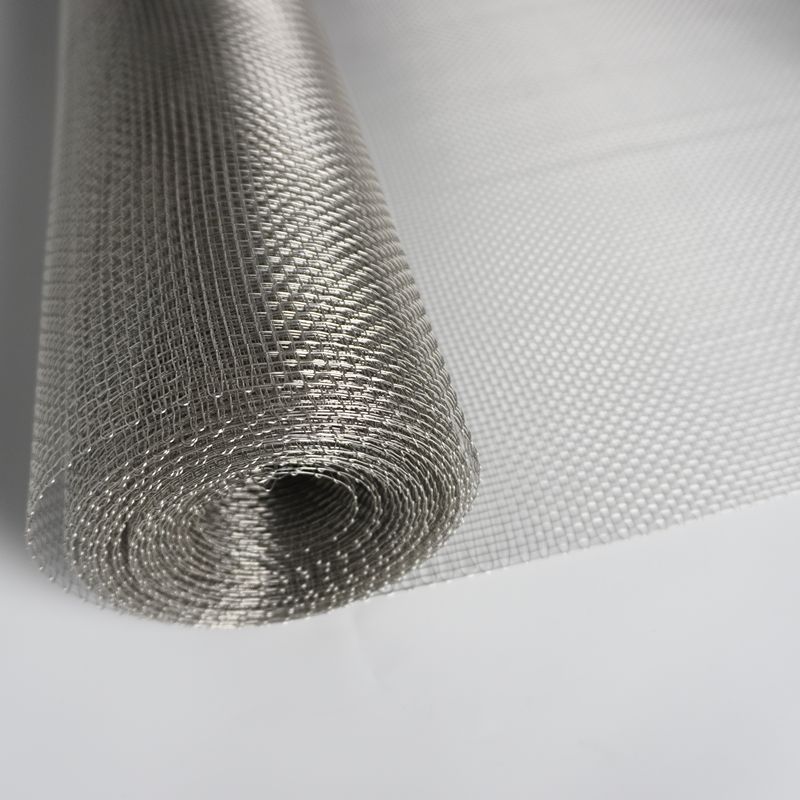
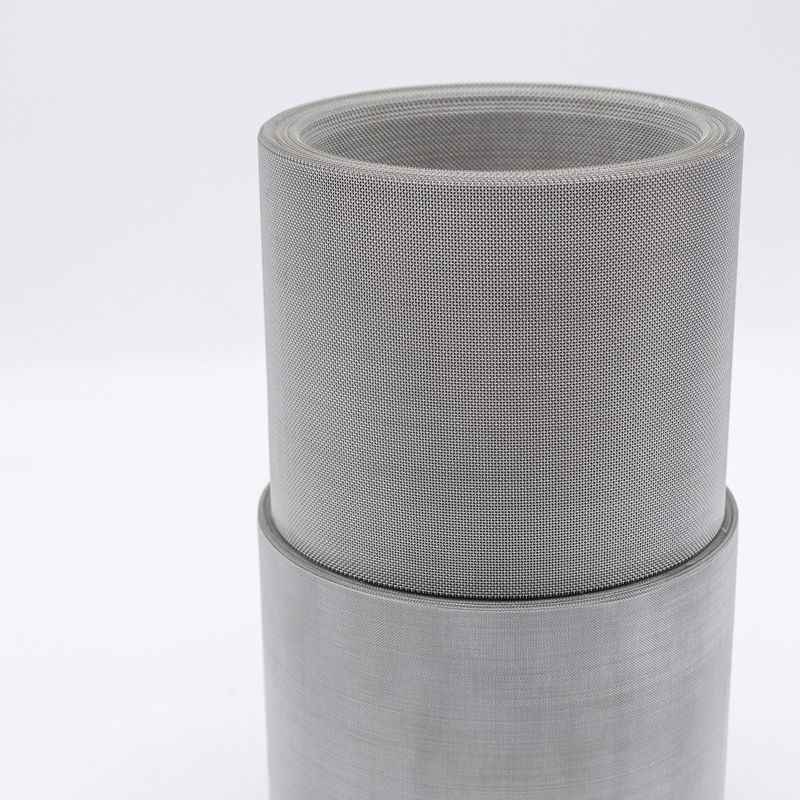
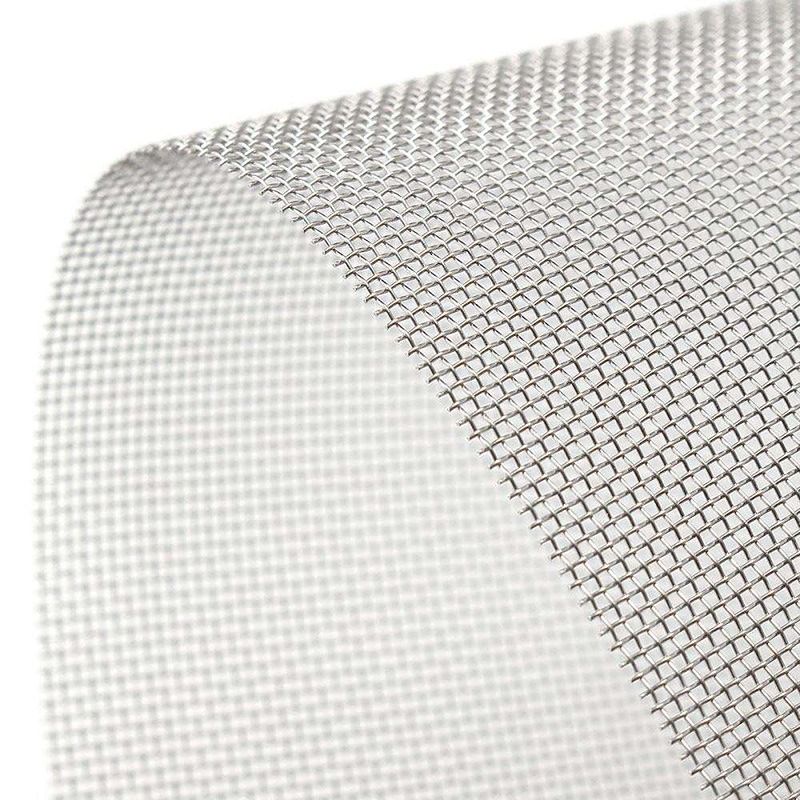
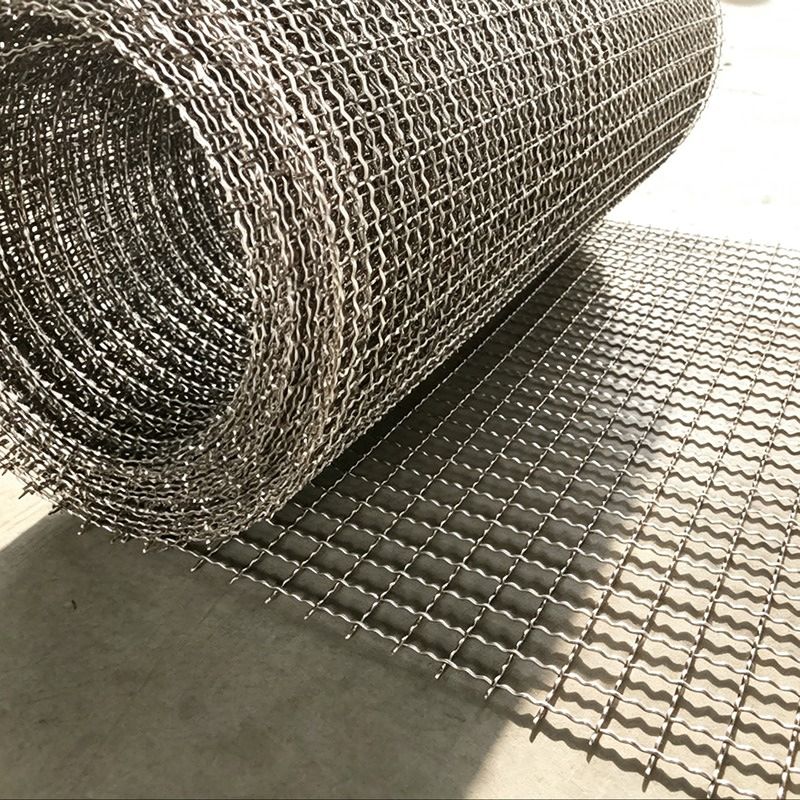
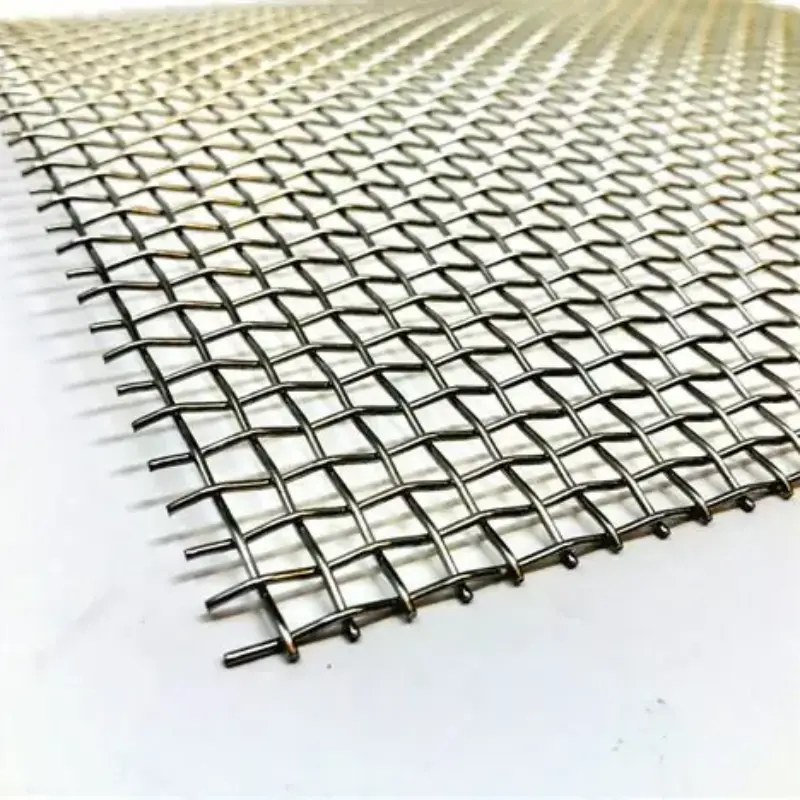
Alloy 20 wire mesh is woven from Alloy 20 (Carpenter 20 / 20Cb-3) nickel-iron-chromium austenitic alloy wire on precision wire-weaving looms.
Alloy 20, also known as Carpenter 20, is a nickel-iron-chromium austenitic alloy that was developed for maximum resistance to acid attack, specifically sulfuric acid. This superalloy has excellent resistance to general corrosion, pitting and crevice corrosion in chemicals containing chlorides and sulfuric, phosphoric and nitric acids. It also contains niobium for stabilisation against sensitisation and resultant intergranular corrosion.
Although originally designed for use in sulfuric acid related industries, Alloy 20 is now a popular choice for a wide variety of industries including the chemical, food, pharmaceutical and plastics industries. In addition, this superalloy is used in heat exchangers, mixing tanks, metal cleaning and pickling equipment, and piping. Carpenter 20 combines excellent corrosion resistance with elevated mechanical properties and relatively easy fabrication.
There has long been debate on whether Carpenter 20 is a stainless steel or a nickel alloy, because the nickel content is right on the border of defining it as one way or the other. Depending on the source, the alloy may be referred to as Alloy 20 stainless steel or as a nickel alloy; either way it offers excellent corrosion resistance.
2. Grades and Designations
| Designation |
UNS Number |
W.Nr. |
Other common names |
| Alloy 20 |
N08020 |
2.4660 |
20CB-3, Carpenter 20, Incoloy 20 |
3. Chemical Composition (wt %)
| Element |
wt % |
Element |
wt % |
| Ni |
32.00–38.00 |
Fe |
Balance |
| Cr |
19.0–21.0 |
Cu |
3.0–4.0 |
| Mo |
2.0–3.0 |
Nb |
8 × C – 1.0 max |
| C |
0.07 max |
Mn |
2.0 max |
| P |
0.045 max |
S |
0.035 max |
| Si |
1.0 max |
|
|
The niobium addition stabilises the alloy against sensitisation and the intergranular corrosion that would otherwise result. Alloy 20 is covered by NACE MR0175.
4. Typical Mechanical Properties (annealed material)
| Product form |
Tensile min. |
Yield min. (0.2% offset) |
Elongation min. |
Reduction of area min. |
| Bar (hot or cold finished) |
80 ksi |
35 ksi |
30 % |
50 % |
| Sheet / plate |
80 ksi |
35 ksi |
30 % |
– |
5. Key Characteristics
- Excellent general corrosion resistance to sulfuric acid
- Excellent resistance to chloride stress corrosion cracking
- Excellent resistance to general corrosion, pitting and crevice corrosion in chemicals containing chlorides and sulfuric, phosphoric and nitric acids
- Excellent mechanical properties and fabricability
- Minimal carbide precipitation during welding
- Excels in resisting corrosion in hot sulfuric acid
- Stabilised with niobium against sensitisation and resultant intergranular corrosion
- Superior resistance to stress-corrosion cracking in boiling 20 to 40 % sulfuric acid
6. Wire Mesh Specifications
Woven wire cloth is specified by four interrelated parameters – mesh count, wire diameter, aperture (opening) size and weave type. Any three of these determine the fourth.
| Parameter |
Definition / typical practice |
| Mesh count |
Number of warp (and weft) wires contained in one linear inch of cloth |
| Wire diameter |
Diameter of the individual warp / weft wires, stated in mm or inch |
| Aperture (opening) |
Clear distance between adjacent wires forming one mesh opening, usually stated in mm or micron |
| Open area |
Percentage of the total cloth area that is open; calculated from mesh count and wire diameter |
| Weave type |
Plain weave, twill weave, plain Dutch weave, twill Dutch weave (reverse Dutch weave also available) |
| Supply forms |
Rolls, sheets, cut discs, and fabricated filter elements (cylinders, baskets, screen packs) |
| Roll width and length |
Confirmed per order against the ordered weave, mesh count and wire diameter |
| Edge type |
Selvedge (woven) edge, cut edge, or reinforced edge |
Alloy 20 is also available in sheet, plate, bar, pipe and tube (welded and seamless), flanges, fittings and welding wire (AWS classifications ER320LR and E320LR-16) when welded mesh assemblies are required.
7. Typical Applications
- Synthetic rubber manufacturing equipment
- Processing of pharmaceuticals, plastics and organic and heavy chemicals
- Tanks, piping, heat exchangers, pumps, valves and other process equipment
- Acid cleaning and pickling equipment
- Chemical process piping and reactor vessels
- Bubble caps
- Petrochemical process equipment
- Food and dye production
- Filter mesh screens for the chemical processing, petrochemical and refining, maritime and pharmaceutical industries
8. Applicable Standards
- ASTM: B463 (sheet and plate), B464 (welded pipe), B468 (welded tube), B473 (bar), B729 (seamless pipe and tube), B462 (forging), B366 (fittings), A240
- ASME: SB463, SB464, SB473, SB366, SA240
- NACE MR0175
- Welding consumables: AWS ER320LR (wire) and E320LR-16 (covered electrode)
9. Ordering Notes
- Please state mesh count, wire diameter, aperture, weave type, roll width and length, quantity and temper when requesting a quotation.
- Where three of the four principal parameters (mesh count, wire diameter, aperture, weave type) are known, the fourth can be calculated and confirmed before order placement.
- Dutch weave specifications are commonly described using mesh count per inch and aperture size in micron.
- All data in this datasheet are typical values given for reference only. Final specification, tolerances and tolerances on aperture are confirmed on the order confirmation.
- Mill test certificates to EN 10204 3.1, third-party inspection and pre-shipment sample approval can be arranged on request.
Supplier
Anping County Bolin Metal Wire Mesh Co., Ltd.
Woven wire mesh, filter cloth and fabricated filter elements.
For quotations, samples and technical support, please contact your account manager.