2507, 2205, 904L, 310S, 317L, 321, 430 and 410 – Description, Specifications, Composition, Properties and Applications
1. Product Description
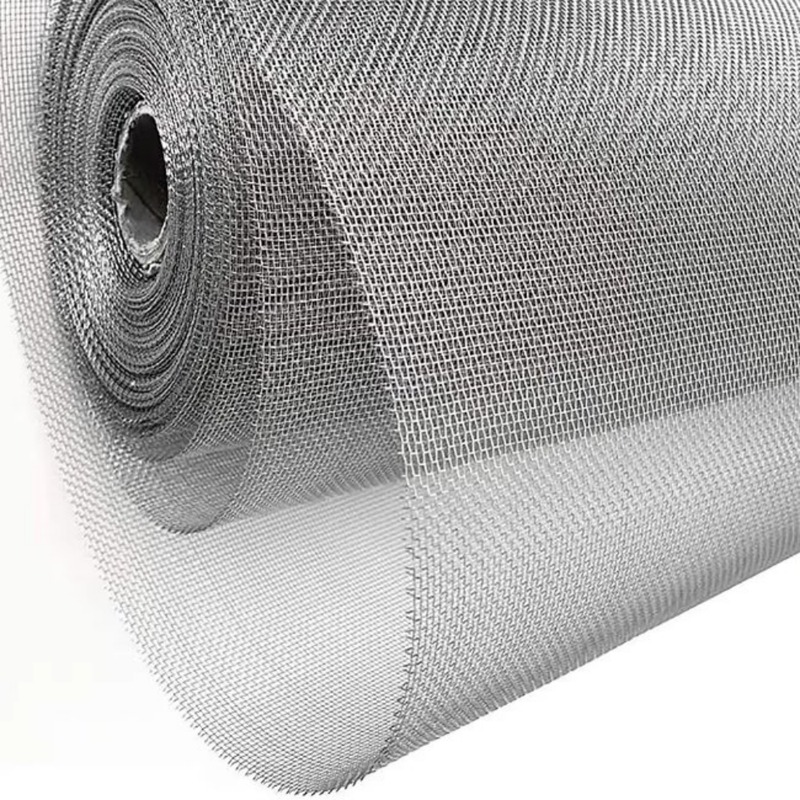
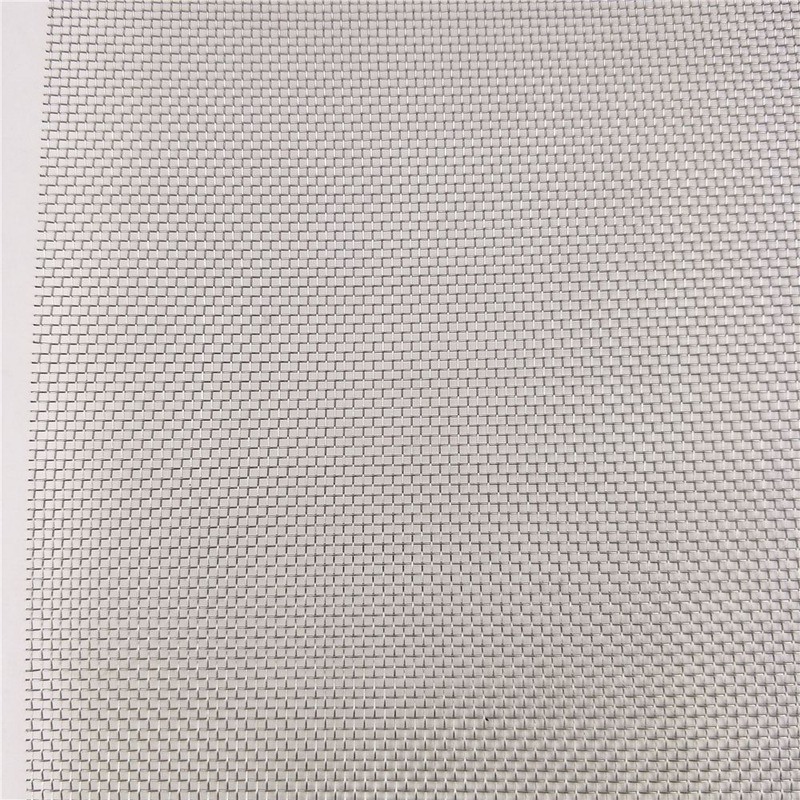
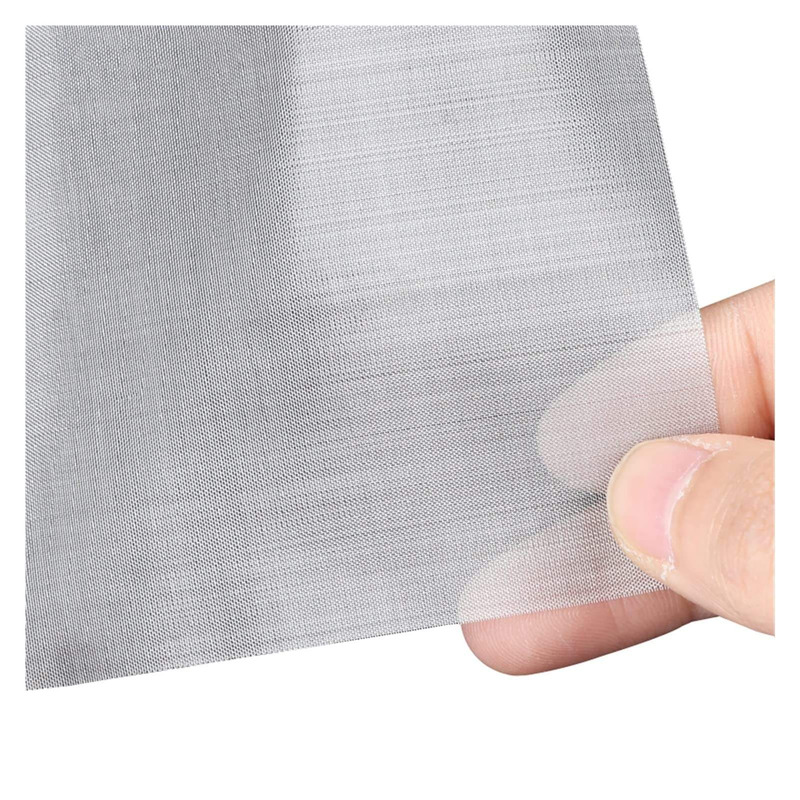
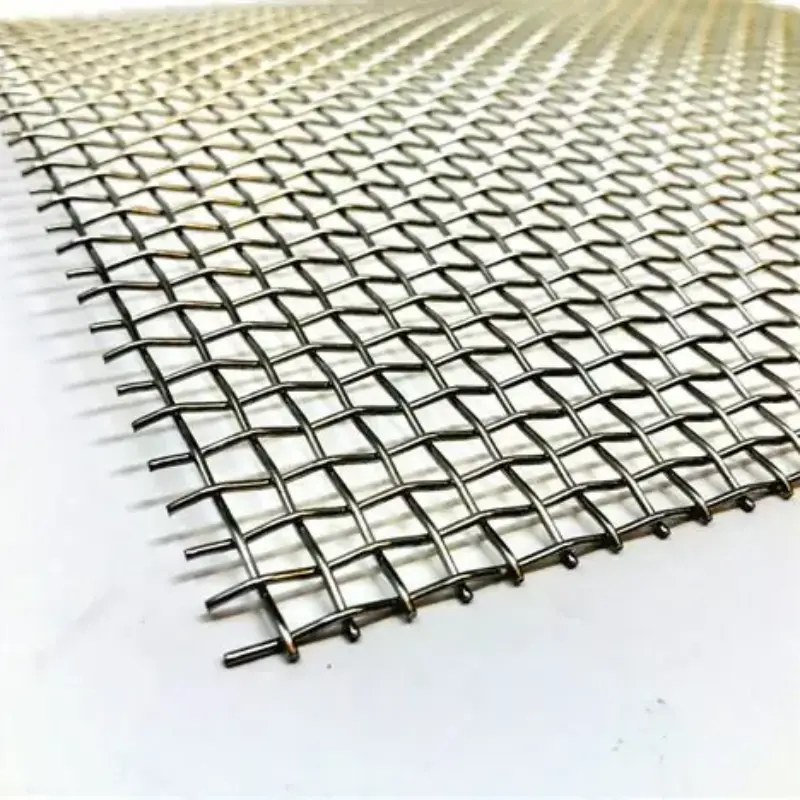
This datasheet covers the special and highly alloyed stainless steel grades woven into wire mesh: super duplex 2507, duplex 2205, super-austenitic 904L, heat-resisting 310S, molybdenum-bearing 317L, titanium-stabilised 321, and the ferritic and martensitic grades 430 and 410. All grades are woven into wire cloth in the standard weave structures and supplied as rolls, sheets, discs or finished filter elements.
2507 (Super Duplex, UNS S32750) is a super duplex stainless steel designed for applications demanding exceptional strength and corrosion resistance. The alloy has 25 % chromium, 4 % molybdenum and 7 % nickel, and the duplex structure provides exceptional resistance to chloride stress corrosion cracking. Usage should be limited to applications below 600 °F (316 °C).
2205 (Duplex, UNS S31803 / S32205) is a nitrogen-enhanced duplex stainless steel developed to combat common corrosion problems encountered with the 300 series stainless steels. "Duplex" describes a family of stainless steels that are neither fully austenitic, like 304 stainless, nor purely ferritic, like 430 stainless. In the annealed condition 2205 contains approximately 40–50 % ferrite. Usage should be limited to temperatures below 600 °F (316 °C).
904L (UNS N08904) is a superaustenitic stainless steel designed for moderate to high corrosion resistance in a wide range of process environments. The combination of high chromium and nickel content, coupled with additions of molybdenum and copper, assures good to excellent corrosion resistance. It was originally developed to withstand environments containing dilute sulfuric acid.
310S is the low-carbon version of the high-chromium, high-nickel austenitic grade 310. The 24–26 % chromium and 19–22 % nickel content provides significantly enhanced resistance to oxidation and thermal degradation compared with standard 18-8 stainless steels. 310S is restricted to 0.08 % maximum carbon, which reduces the risk of chromium carbide precipitation in the sensitisation range (427–899 °C) and makes it the preferred grade for welded assemblies.
317L (UNS S31703) is a low-carbon, molybdenum-bearing austenitic stainless steel with greatly increased resistance to chemical attack compared with conventional chromium-nickel grades such as 304. It offers higher creep, stress-to-rupture and tensile strength at elevated temperatures than conventional stainless steels, and the low carbon content provides resistance to sensitisation during welding.
321 (UNS S32100) has a composition similar to 304 but with the addition of titanium. It has excellent resistance to corrosion and is also ideal for high-temperature environments. The titanium addition stabilises the alloy against chromium carbide precipitation.
430 (UNS S43000) is a ferritic stainless steel containing 16–18 % chromium with a maximum carbon content of 0.12 % and very low nickel. 410 (UNS S41000) is the general-purpose 12 % chromium martensitic stainless steel that can be heat treated to obtain a wide range of mechanical properties; it is magnetic in all conditions.
2. Grades and Designations
| Grade |
UNS Number |
W.Nr. / EN |
Family |
Typical character |
| 2507 |
S32750 / F53 |
EN 1.4410 (SAF 2507) |
Super duplex |
25 % Cr, 4 % Mo, 7 % Ni; exceptional strength and chloride resistance |
| 2205 |
S31803 / S32205 / F51 / F60 |
EN 1.4462 |
Duplex |
Nitrogen-enhanced work-horse duplex grade; 40–50 % ferrite annealed |
| 904L |
N08904 |
W.Nr. 1.4539 |
Super-austenitic |
25 % Ni, 4.5 % Mo; developed for dilute sulfuric acid service |
| 310S |
S31000 (310 / 310S family) |
– |
Austenitic, heat resisting |
24–26 % Cr, 19–22 % Ni; low-carbon version of 310 |
| 317L |
S31703 (317: S31700) |
W.Nr. 1.4438 |
Austenitic, Mo-bearing |
Low-carbon 317; superior pitting resistance to 304 / 316 |
| 321 |
S32100 |
W.Nr. 1.4541 |
Austenitic, Ti-stabilised |
Titanium-stabilised 18-8 for elevated temperature service |
| 430 |
S43000 |
– |
Ferritic |
16–18 % Cr, low nickel; magnetic |
| 410 |
S41000 |
W.Nr. 1.4006 |
Martensitic |
12 % Cr, heat treatable and hardenable; magnetic |
3. Chemical Composition (wt %)
| Grade |
Cr |
Ni |
Mo |
C max |
Other elements |
| 2507 (S32750) |
24.0–26.0 |
6.0–8.0 |
3.0–5.0 |
0.030 |
N 0.24–0.32; Mn 1.20 max; Si 0.80 max; Cu 0.50 max; P 0.035 max; S 0.020 max |
| 2205 (S31803 / S32205) |
22.0–23.0 |
4.50–6.50 |
3.00–3.50 |
0.030 |
N 0.14–0.20; Mn 2.00 max; Si 1.00 max; P 0.030 max; S 0.020 max |
| 904L (N08904) |
19.0–23.0 |
23.0–28.0 |
4.0–5.0 |
– |
Cu 1.0–2.0; Mn 2.00 max; Si 1.00 max; P 0.045 max; S 0.035 max |
| 310S (310 / 310S) |
24.00–26.00 |
19.00–22.00 |
– |
0.08 (310S) |
Mn 2.00 max; Si 1.50 max; P 0.045 max; S 0.030 max. Grade 310 permits up to 0.25 % C |
| 317L (S31703) |
18.0–20.0 |
11.0–15.0 |
3.0–4.0 |
0.030 |
N 0.10 max; Mn 2.00 max; Si 0.75 max; P 0.045 max; S 0.030 max |
| 321 (S32100) |
17.00–19.00 |
9.50–12.00 |
0.50 max |
0.08 |
Ti 5 × C – 0.70; Si 0.40–1.00; Mn 2.00 max; P 0.04 max; S 0.03 max; N 0.10 max |
| 430 (S43000) |
16.0–18.0 |
0.75 max |
– |
0.12 |
Mn 1.0 max; Si 1.0 max; P 0.040 max; S 0.030 max |
| 410 (S41000) |
11.5–13.5 |
0.75 max |
– |
0.08–0.15 |
Mn 1.0 max; Si 1.0 max; P 0.04 max; S 0.03 max |
Values are maximum unless a range is otherwise indicated. Iron is the balance in all grades. Carbon is a maximum except for grade 410, where the specified range is 0.08–0.15 %. Grade 321 titanium content is 5 × C minimum, 0.70 % maximum.
4. Typical Mechanical Properties
| Grade |
Form / basis |
Tensile |
0.2 % Yield |
Elongation min. |
Hardness max. |
| 2507 |
Plate, ASTM A240 |
116 ksi min |
80 ksi min |
15 % |
310 HRB |
| 2205 |
ASTM A240 |
95 ksi min |
65 ksi min |
– |
31 HRC |
| 904L |
Typical, 20 °C |
71,000 psi (490 MPa) |
31,000 psi (220 MPa) |
36 % |
70–90 HRB |
| 310 / 310S |
Typical, 25 °C |
89.5 ksi (617 MPa) |
42.4 ksi (292 MPa) |
45 % |
– |
| 317L |
Typical, 20 °C |
75,000 psi (515 MPa) |
30,000 psi (205 MPa) |
40 % |
95 HRB |
| 321 |
Annealed wire |
<800 N/mm² (<116 ksi) |
– |
– |
– |
| 321 |
Spring temper wire |
1300–2200 N/mm² (189–319 ksi) |
– |
– |
– |
| 410 |
Typical, 20 °C |
74,000 psi (510 MPa) |
42,000 psi (290 MPa) |
34 % |
96 Rb |
| 430 |
To be confirmed |
– |
– |
– |
– |
Values are taken from the applicable ASTM A240 / ASTM A276 requirements or from published datasheets for the product form indicated. 430 values are to be confirmed for the ordered product form. Grade 321 operating temperature range: –200 to +300 °C (–330 to +570 °F) for both annealed and spring temper.
5. Physical and Corrosion Performance
- 2507: highly resistant to uniform corrosion by organic acids such as formic and acetic acid, and to inorganic acids especially those containing chlorides. Highly resistant to carbide-related intergranular corrosion, and very resistant to stress corrosion cracking in warm chloride-containing environments. Low rate of thermal expansion. Service limited to below 600 °F (316 °C) because extended elevated-temperature exposure can reduce both toughness and corrosion resistance.
- 2205: the combination of chromium, molybdenum and nitrogen conveys good resistance to chloride pitting and crevice corrosion – superior to common stainless steels such as 316L and 317L in most environments. Good sulfide stress corrosion resistance and high strength. Extended elevated-temperature exposure above 600 °F can embrittle the material.
- 904L: at temperatures up to 95 °F (35 °C) it is one of the few stainless steels that provides full resistance within the entire concentration range of 0 to 100 % sulfuric acid. It also offers good resistance to phosphoric acid and most organic acids, and good chloride stress corrosion cracking resistance. Non-magnetic in all conditions, even after cold working or welding. Solution treatment at 1090–1175 °C followed by rapid cooling; solution annealing at 1940–2084 °F (1060–1140 °C) is used for hot-formed material.
- 310 / 310S: high chromium and nickel content provide a protective oxide layer and excellent oxidation resistance. 310 cannot be hardened by heat treatment; solution annealing is performed at 2050–2150 °F. The higher carbon of grade 310 gives superior creep strength and elevated-temperature load-bearing capacity, while 310S is preferred for welded assemblies.
- 317L: superior general and localised corrosion resistance to 304 / 304L and 316 / 316L in most media, with the exception of strongly oxidising acids such as nitric acid. It resists attack in sulfuric acid, acidic chlorine and phosphoric acid, and is used in handling hot organic and fatty acids. Non-magnetic in the annealed condition; cannot be hardened by heat treatment but will harden by cold working. No post-weld heat treatment is required.
- 321: titanium-stabilised grade with similar composition to 304, giving excellent corrosion resistance together with suitability for high-temperature environments.
- 410: resists atmospheric conditions, water and some chemicals, and can be used in environments containing weak or diluted acetic acid, naphtha, nitric acid and sulfuric acid. It resists oxidation up to 1292 °F (700 °C) continuously and up to 1500 °F (816 °C) intermittently. It is prone to chloride attack, particularly in oxidising conditions, and has limited weldability because of its hardenability; a post-weld heat treatment should be considered.
- 430: ferritic structure with 16–18 % chromium and a maximum carbon content of 0.12 %.
6. Pitting Resistance Equivalent (PREN)
| Grade |
Cr |
Mo |
N |
PREN |
Basis |
| 317L |
18.5 |
3.1 |
0.06 |
29.7 |
Published value |
| 904L |
21.0 |
4.5 |
– |
approx. 35.9 |
Calculated from nominal composition |
| 2205 |
22.5 |
3.25 |
0.17 |
approx. 35.9 |
Calculated from nominal composition |
| 2507 |
25.0 |
4.0 |
0.28 |
approx. 42.7 |
Calculated from nominal composition |
| 316 (reference) |
16.5 |
2.1 |
0.05 |
24.2 |
Published value |
| 304 (reference) |
18.0 |
– |
0.06 |
19.0 |
Published value |
PREN = Cr + 3.3 Mo + 16 N. Published values are taken from supplier data for the grades stated. Values marked as calculated are computed from the nominal (mid-range) composition of the specification and are indicative only; they should not be used as acceptance criteria.
7. Wire Mesh Specifications
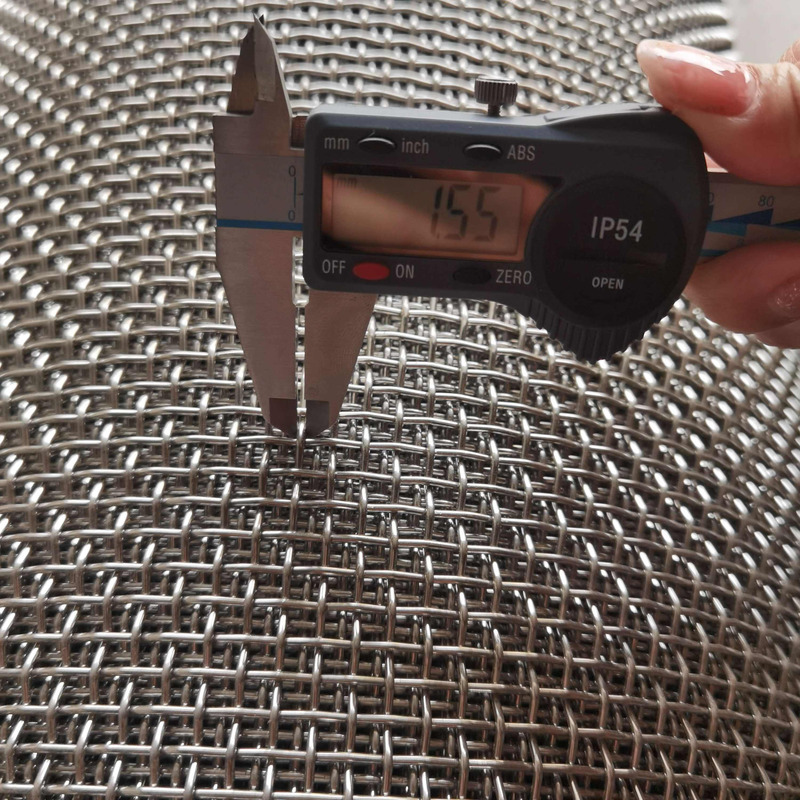
Woven wire cloth is specified by four interrelated parameters – mesh count, wire diameter, aperture (opening) size and weave type. Any three of these determine the fourth.
| Parameter |
Definition / typical practice |
| Mesh count |
Number of warp (and weft) wires contained in one linear inch of cloth |
| Wire diameter |
Diameter of the individual warp / weft wires, stated in mm or inch |
| Aperture (opening) |
Clear distance between adjacent wires forming one mesh opening, usually stated in mm or micron |
| Open area |
Percentage of the total cloth area that is open; calculated from mesh count and wire diameter |
| Weave type |
Plain weave, twill weave, plain Dutch weave, twill Dutch weave (reverse Dutch weave also available) |
| Supply forms |
Rolls, sheets, cut discs, and fabricated filter elements (cylinders, baskets, screen packs) |
| Roll width and length |
Confirmed per order against the ordered weave, mesh count and wire diameter |
| Edge type |
Selvedge (woven) edge, cut edge, or reinforced edge |
Grades 410 and 430 are magnetic and are generally specified for coarse screening, decorative and wear-resistant duties rather than for fine filtration. The austenitic, duplex and super-austenitic grades in this datasheet are non-magnetic in the annealed condition apart from 2507 and 2205, which contain a ferrite phase.
8. Typical Applications
- 2507: desalination equipment; chemical process pressure vessels, piping and heat exchangers; marine applications; flue gas scrubbing equipment; pulp and paper mill equipment; offshore oil production technology; oil and gas industry equipment
- 2205: chemical process vessels, piping and heat exchangers; pulp mill digesters, bleach washers and chip pre-steaming vessels; food processing equipment; oil field piping and heat exchangers; flue gas desulfurisation equipment
- 904L: air pollution control – scrubbers for coal-fired power plants; chemical processing of sulfuric and phosphoric acid; phosphate-based fertiliser production; metallurgical pickling equipment using sulfuric acid; offshore process equipment; pharmaceutical process equipment; pulp and paper processing equipment; seawater and brackish water condensers, heat exchangers and piping
- 310 / 310S: furnace conveyor belts and rollers; radiant tubes and retorts; burner components; oven linings and internal partitions; baskets and trays for repeated thermal cycling; tube hangers and structural components exposed to direct heat; high-temperature chemical processing in hot corrosive gases; ammonia-bearing atmospheres and sulfur-containing combustion gases
- 317L: air pollution control – flue gas desulfurisation systems; chemical and petrochemical processing; explosives; food and beverage processing; petroleum refining; power generation condensers; pulp and paper; pharmaceutical processing
- 321: high-temperature filtration and screening; aircraft locking wire and general locking wire; exhaust and heat-exchanger components
- 410: cutlery and kitchen equipment; petroleum refining and petrochemical processing equipment; ore processing; sugar processing; gate valves; press plates
- 430: general-purpose screening and decorative mesh where moderate corrosion resistance and magnetic behaviour are acceptable
9. Applicable Standards
- 2507 and 2205: ASTM A240 (sheet and plate), A276 (bar), A789 (seamless tube), A790 (pipe), A182 (flanges, fittings and valves), A815; ASME SA182, SA240, SA479, SA789; EN 1.4410 (2507), EN 1.4462 (2205); NORSOK MDS D45 Grade F51; NACE MR0175
- 904L: ASTM A240, B625; ASME SA240, SB625; AMS 5521; QQ-S-766
- 310S: composition and properties are defined by ASTM specifications for heat-resisting austenitic stainless steels; the product-form specification for the ordered item is to be confirmed on order
- 317L: ASTM A240; ASME SA240
- 321: ASTM A313, A240, A479; BS EN 10088-3:2014
- 410: ASTM A240; ASME SA240; AMS 5504
- 430: product-form specification to be confirmed on order
10. Ordering Notes
- Please state mesh count, wire diameter, aperture, weave type, roll width and length, quantity and temper when requesting a quotation.
- Where three of the four principal parameters (mesh count, wire diameter, aperture, weave type) are known, the fourth can be calculated and confirmed before order placement.
- Dutch weave specifications are commonly described using mesh count per inch and aperture size in micron.
- All data in this datasheet are typical values given for reference only. Final specification, tolerances and tolerances on aperture are confirmed on the order confirmation.
- Mill test certificates to EN 10204 3.1, third-party inspection and pre-shipment sample approval can be arranged on request.
Supplier
Anping County Bolin Metal Wire Mesh Co., Ltd.
Woven wire mesh, filter cloth and fabricated filter elements.
For quotations, samples and technical support, please contact your account manager.