Technical Product Datasheet – Description, Specifications, Composition, Properties and Applications
1. Product Description
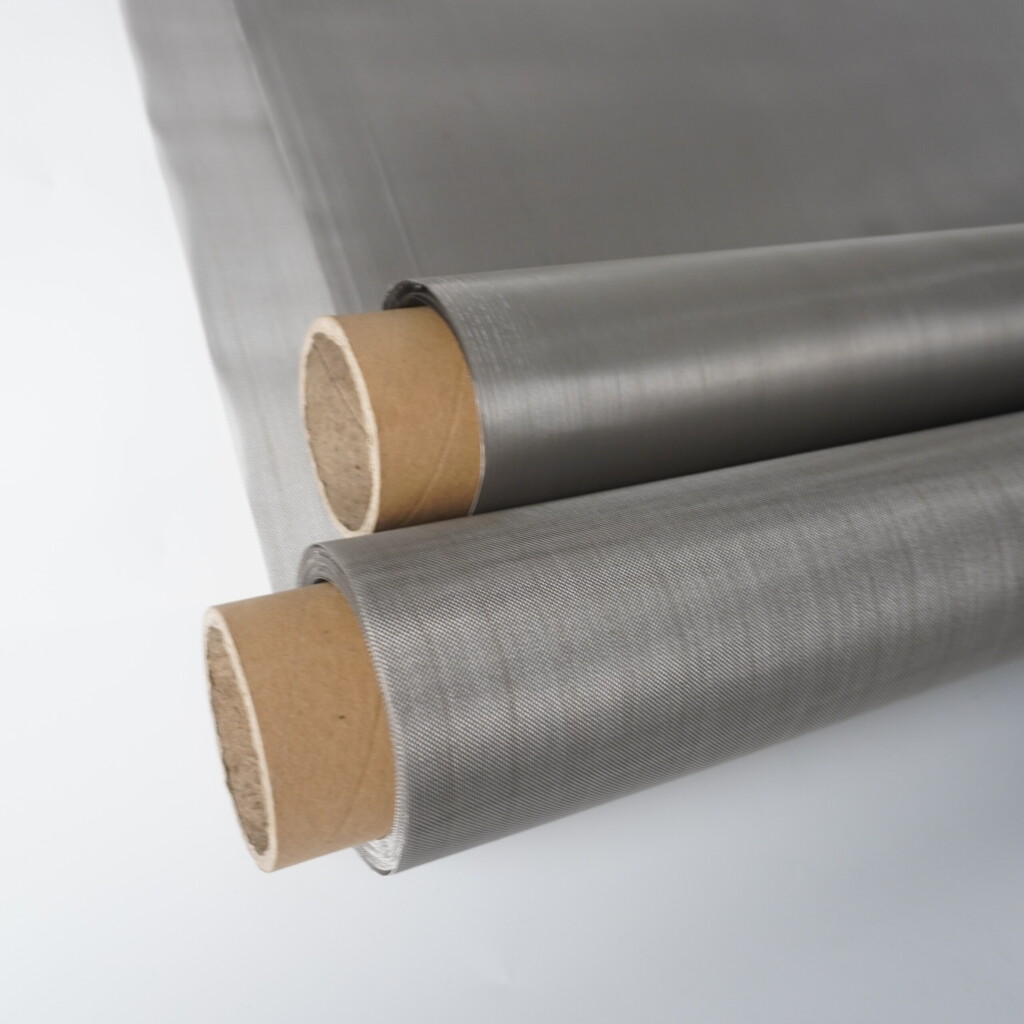
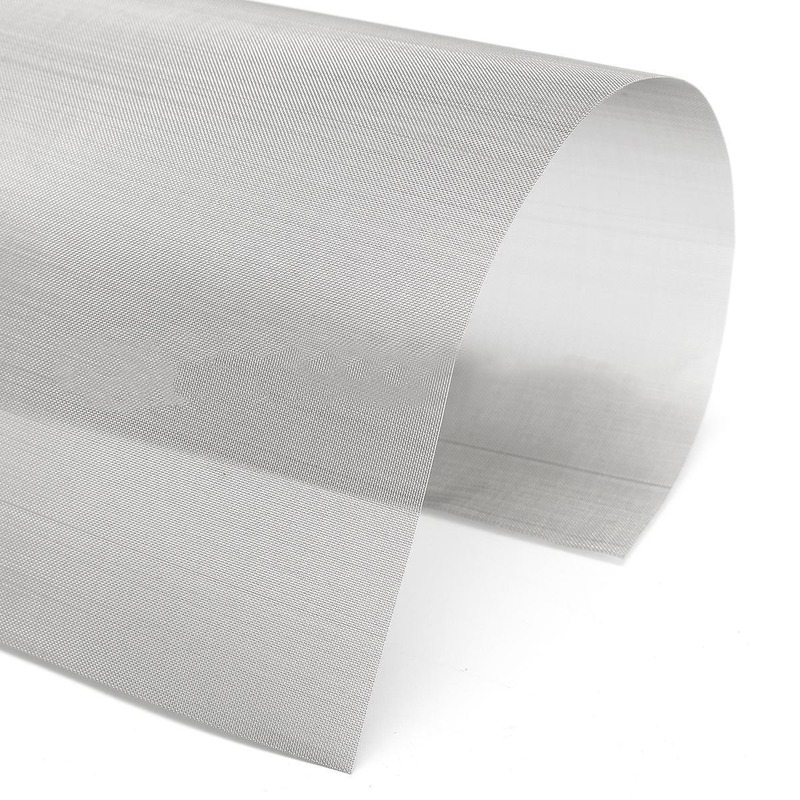
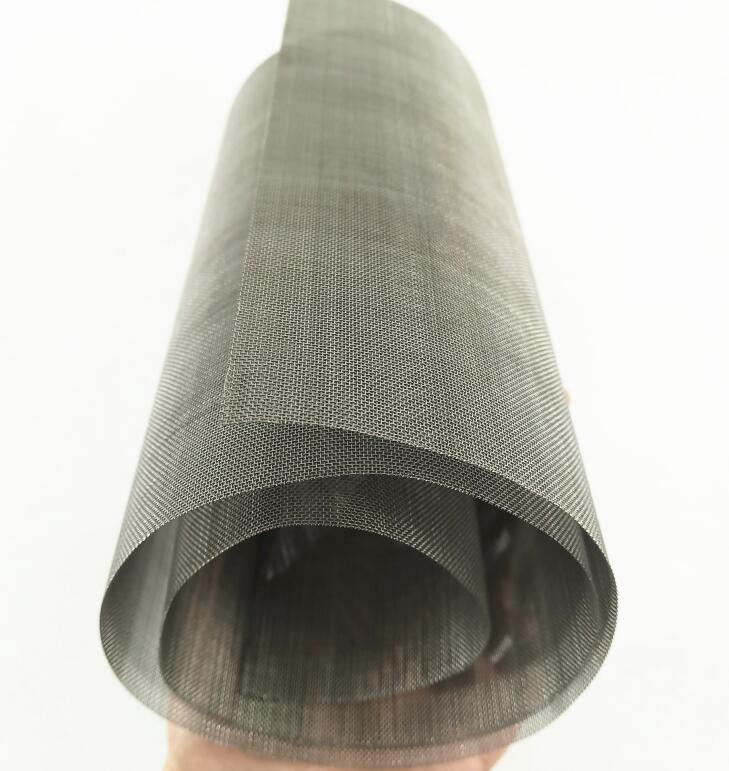
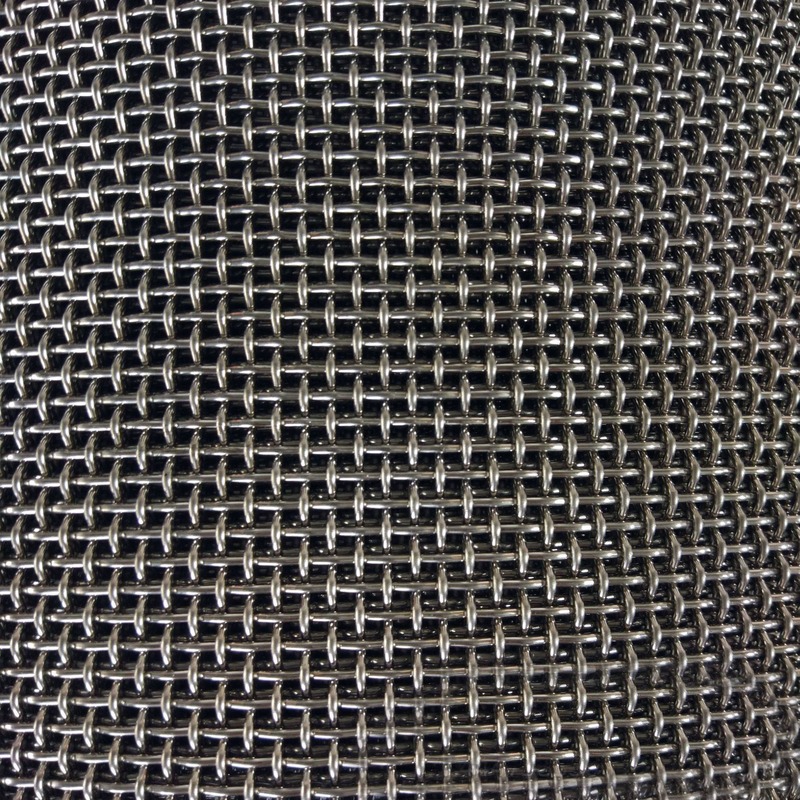
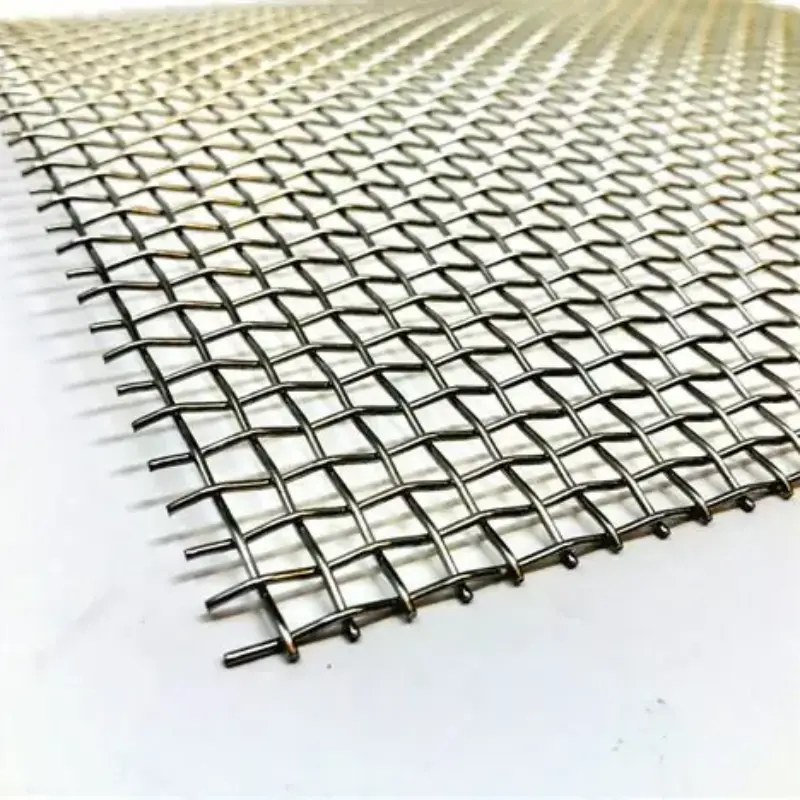
Inconel wire mesh is woven from nickel-chromium-iron and nickel-chromium-molybdenum superalloy wire on precision wire-weaving looms. These alloys are used for applications requiring corrosion and high-temperature resistance, and are characterised by high strength, good weldability and excellent oxidation resistance over a wide temperature range.
The grades most commonly woven into wire cloth are Inconel 600, 601, 625, 718 and X-750. Inconel 600 was designed for service temperatures from cryogenic to elevated temperatures in the range of 2000 °F. It is non-magnetic and virtually immune to chlorine-ion stress corrosion cracking.
Inconel 625 combines outstanding aqueous corrosion resistance with high strength, obtained through the addition of niobium which acts with molybdenum to stiffen the alloy matrix. Inconel 718 is age-hardenable and displays exceptionally high yield, tensile and creep-rupture properties at high temperatures; the addition of niobium permits annealing and welding without spontaneous hardening during heating and cooling.
Inconel X-750 is made precipitation hardenable by additions of aluminium and titanium, and has creep-rupture strength at high temperatures to about 700 °C (1290 °F). It also retains exceptional properties down to cryogenic temperatures, although it is not as strong as Nimonic 90.
Inconel 601 is a nickel-chromium-iron alloy with a high chromium content and an aluminium addition, giving good resistance to heat and corrosion while maintaining high strength.
2. Grades and Designations
| Grade |
UNS Number |
W.Nr. |
Principal characteristic |
| Inconel 600 |
N06600 |
2.4816 |
High nickel content; chloride-ion SCC resistant; non-magnetic |
| Inconel 601 |
N06601 |
– |
High chromium with aluminium addition; heat and corrosion resistant |
| Inconel 625 |
N06625 |
2.4856 |
Niobium-strengthened; seawater pitting and crevice corrosion resistant |
| Inconel 718 |
N07718 |
2.4668 |
Age-hardenable; exceptionally high yield and creep-rupture strength |
| Inconel X-750 |
N07750 |
2.4669 |
Precipitation hardenable; creep-rupture strength to about 700 °C |
3. Chemical Composition (wt %)
| Grade |
Ni |
Cr |
Fe |
Mo |
Nb (+ Ta) |
Al |
Ti |
C max |
| Inconel 600 |
72.0 min (Ni+Co) |
14.0–17.0 |
6.0–10.0 |
– |
– |
– |
– |
0.15 |
| Inconel 601 |
58.0–63.0 |
21.0–25.0 |
Balance |
– |
– |
1.0–1.7 |
– |
0.10 |
| Inconel 625 |
Remainder |
20.00–30.00 |
5.0 max |
8.0–10.0 |
3.15–4.15 |
0.40 max |
0.40 max |
0.10 |
| Inconel 718 |
50.00–55.00 |
17.00–21.00 |
Remainder |
2.80–3.30 |
4.75–5.50 |
0.20–0.80 |
0.65–1.15 |
0.08 |
| Inconel X-750 |
70.00 min |
14.00–17.00 |
5.00–9.00 |
– |
0.70–1.20 (Nb/Cb) |
0.40–1.00 |
2.25–2.75 |
0.08 |
Other controlled elements – Inconel 600: Cu 0.50 max, Mn 1.00 max, S 0.015 max, Si 0.50 max. Inconel 601: Mn 1.0 max, S 0.015 max. Inconel 625: Co 1.0 max, Mn 0.50 max, Si 0.50 max, P 0.015 max, S 0.015 max. Inconel 718: Co 1.00 max, Cu 0.30 max, B 0.006 max, Mn 0.35 max, Si 0.35 max, P 0.015 max, S 0.015 max. Inconel X-750: Co 1.00 max, Cu 0.50 max, Mn 1.00 max, Si 0.50 max, S 0.01 max, Ta 0.05 max.
4. Typical Tensile Properties
| Grade / form |
Condition |
Test temperature |
Tensile (ksi) |
0.2% Yield (ksi) |
Elongation (%) |
| Inconel 600, sheet |
Annealed |
20 °C |
80–100 |
30–45 |
35–55 |
| Inconel 600, rod & bar |
Cold drawn |
20 °C |
80–100 |
25–50 |
35–55 |
| Inconel 625, bar |
1800 °F anneal |
21 °C (70 °F) |
144.0 |
84.0 |
44 |
| Inconel 625, bar |
1800 °F anneal |
538 °C (1000 °F) |
130.0 |
60.5 |
48 |
| Inconel 625, bar |
1800 °F anneal |
760 °C (1400 °F) |
78.0 |
58.5 |
59 |
| Inconel 625, bar |
1800 °F anneal |
871 °C (1600 °F) |
40.0 |
39.0 |
117 |
| Inconel 718 |
1800 °F annealed |
20 °C |
135.0 |
70.0 |
45 |
| Inconel X-750, wire |
Annealed |
20 °C |
approx. 1030 N/mm² (>149 ksi) |
– |
– |
Hardness reference – Inconel 600 sheet 88 HRB max, rod and bar 65–85 HRB; Inconel 718 annealed 100 HRB; Inconel 625 and X-750 values per product form. Inconel X-750 approximate operating temperature range: –200 to +550 °C (–330 to +1020 °F), depending on load and environment.
5. High-Temperature, Oxidation and Corrosion Performance
- Inconel 600: designed for service from cryogenic temperatures up to the 2000 °F range; resistant to a wide range of corrosive media; virtually immune to chlorine-ion stress corrosion cracking; excellent resistance to alkaline solutions; non-magnetic with high strength and good weldability over a wide range of temperatures
- Inconel 601: high chromium plus aluminium content gives good resistance to heat and corrosion at elevated temperature while maintaining high strength
- Inconel 625: oxidation resistant to 1800 °F (982 °C); high creep-rupture strength; resistant to seawater pitting and crevice corrosion; immune to chloride-ion stress corrosion cracking; non-magnetic; resists a wide range of severely corrosive environments
- Inconel 718: usable from cryogenic temperatures up to long-term service at 1200 °F (649 °C); exceptionally high yield, tensile and creep-rupture properties; highly resistant to chloride and sulfide stress corrosion cracking; resistant to post-weld age cracking
- Inconel X-750: good creep-rupture strength at high temperatures to about 700 °C (1290 °F); exceptional properties down to cryogenic temperature; age hardenable
- Inconel 625 is frequently used as filler material when welding super-austenitic alloys such as AL-6XN, and exhibits good restraint welding characteristics
6. Wire Mesh Specifications
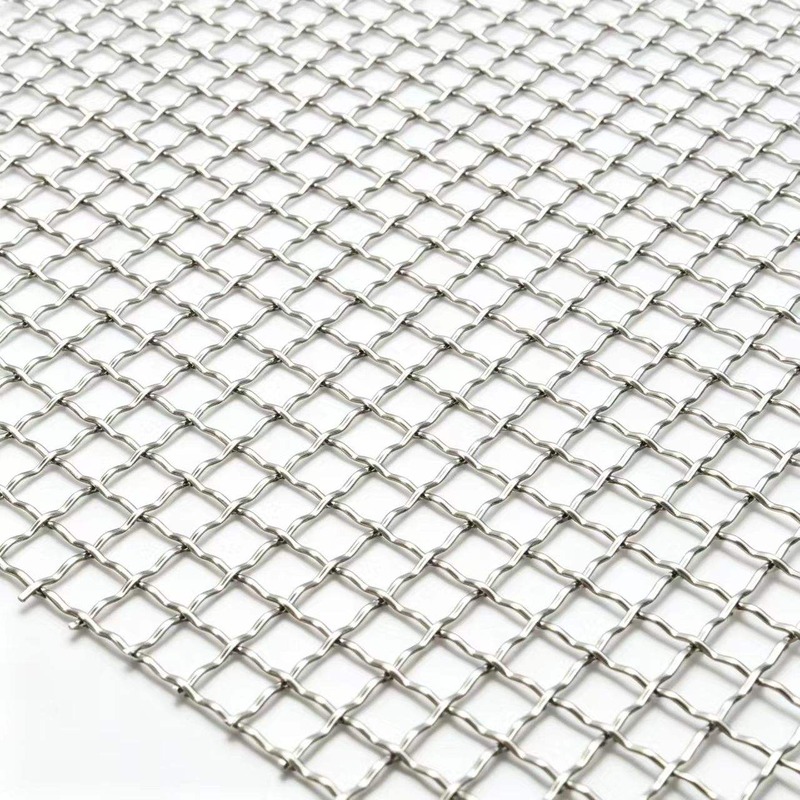
Woven wire cloth is specified by four interrelated parameters – mesh count, wire diameter, aperture (opening) size and weave type. Any three of these determine the fourth.
| Parameter |
Definition / typical practice |
| Mesh count |
Number of warp (and weft) wires contained in one linear inch of cloth |
| Wire diameter |
Diameter of the individual warp / weft wires, stated in mm or inch |
| Aperture (opening) |
Clear distance between adjacent wires forming one mesh opening, usually stated in mm or micron |
| Open area |
Percentage of the total cloth area that is open; calculated from mesh count and wire diameter |
| Weave type |
Plain weave, twill weave, plain Dutch weave, twill Dutch weave (reverse Dutch weave also available) |
| Supply forms |
Rolls, sheets, cut discs, and fabricated filter elements (cylinders, baskets, screen packs) |
| Roll width and length |
Confirmed per order. Nickel-alloy wire cloth is typically produced in widths up to about 5 m |
| Edge type |
Selvedge (woven) edge, cut edge, or reinforced edge |
7. Typical Applications
- Chemical industry equipment and chemical process equipment
- Aerospace components and gas turbine components
- Heat-treating industry equipment
- Pulp and paper industry equipment
- Food processing equipment
- Nuclear engineering and nuclear reactor components
- Aircraft ducting systems, jet engine exhaust systems and engine thrust-reverser systems (Inconel 625)
- Specialised seawater equipment and marine engineering (Inconel 625)
- Pollution-control equipment (Inconel 625 and 718)
- Cryogenic storage tanks, valves, fasteners, springs, mandrels and tubing hangers (Inconel 718)
- Well head completion equipment and blowout preventers (Inconel 718)
- Liquid fuel rocket motor components (Inconel 718)
- Nuclear reactors, gas turbines, rocket engines, pressure vessels and aircraft structures (Inconel X-750)
- High-temperature filtration, sieving and catalyst support screens
8. Applicable Standards
- Inconel 600: ASTM B166 (bar), B167 (pipe), B168 (sheet and plate), B516 (welded tube), B517 (welded pipe), B564 (forging), B366 (fittings); AMS 5540, AMS 5665
- Inconel 625: ASTM B443 Gr 1 (sheet and plate), B444 (pipe and tube), B446 Gr 1 (bar), B704 (welded tube), B705 (welded pipe); AMS 5666, AMS 5837; NACE MR0175-3
- Inconel 718: ASTM B637, B670; AMS 5596, AMS 5662, AMS 5663, AMS 5832; NACE MR0175
- Inconel X-750: ASTM B637; AMS 5667, AMS 5671, AMS 5698 (No. 1 spring temper), AMS 5699 (spring temper); BS HR 505; ISO 15156-3 (NACE MR 0175)
- Inconel 601: standards to be confirmed in accordance with the ordered product form
9. Ordering Notes
- Please state mesh count, wire diameter, aperture, weave type, roll width and length, quantity and temper when requesting a quotation.
- Where three of the four principal parameters (mesh count, wire diameter, aperture, weave type) are known, the fourth can be calculated and confirmed before order placement.
- Dutch weave specifications are commonly described using mesh count per inch and aperture size in micron.
- All data in this datasheet are typical values given for reference only. Final specification, tolerances and tolerances on aperture are confirmed on the order confirmation.
- Mill test certificates to EN 10204 3.1, third-party inspection and pre-shipment sample approval can be arranged on request.
Supplier
Anping County Bolin Metal Wire Mesh Co., Ltd.
Woven wire mesh, filter cloth and fabricated filter elements.
For quotations, samples and technical support, please contact your account manager.