Technical Product Datasheet – Description, Specifications, Composition, Properties and Applications
1. Product Description
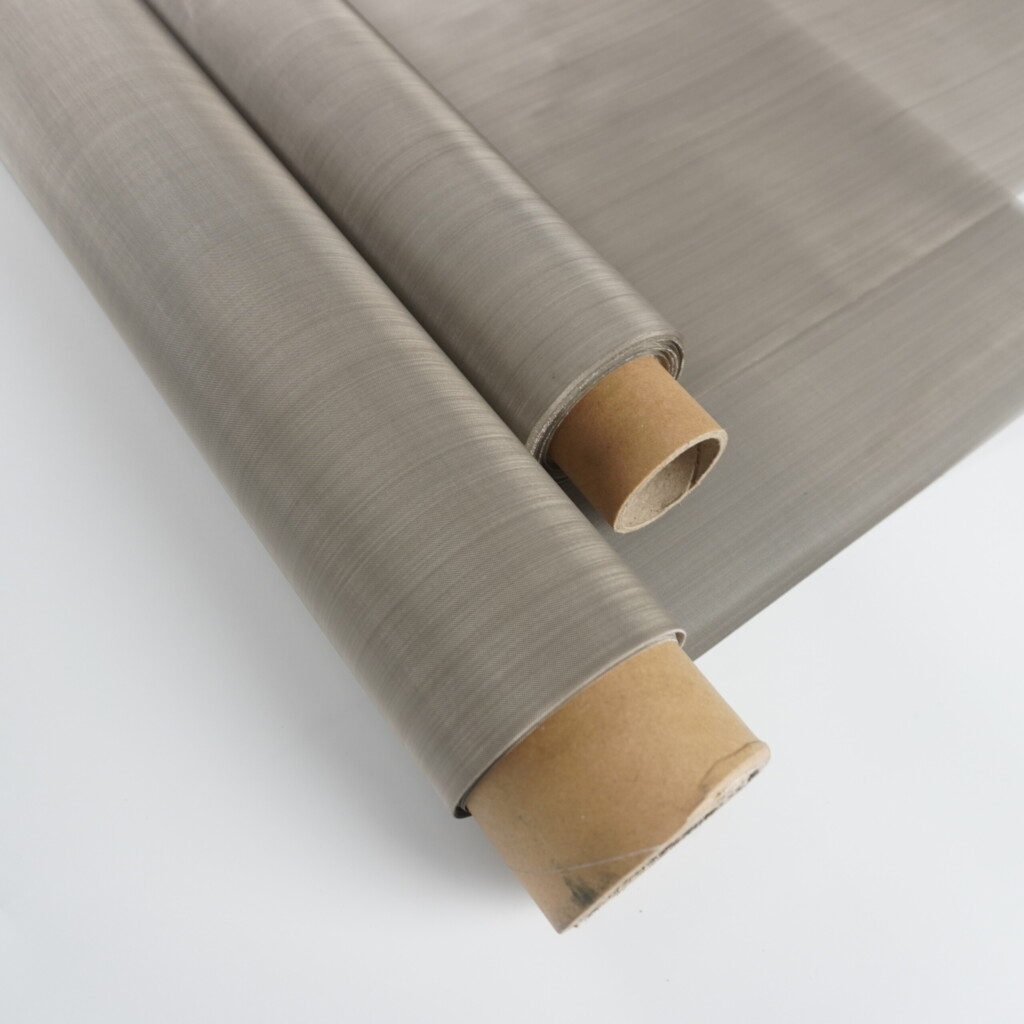
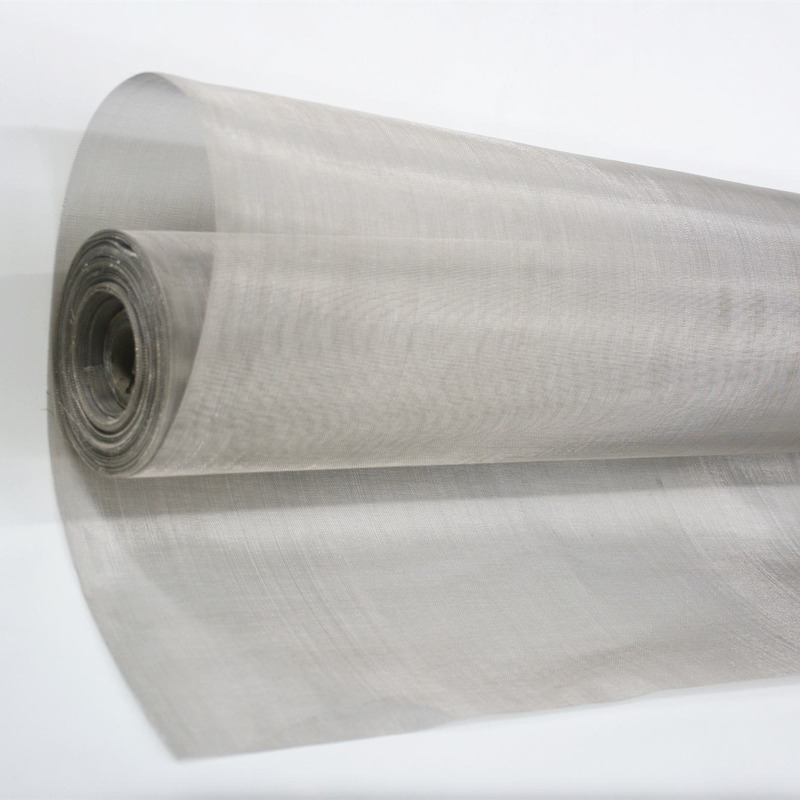
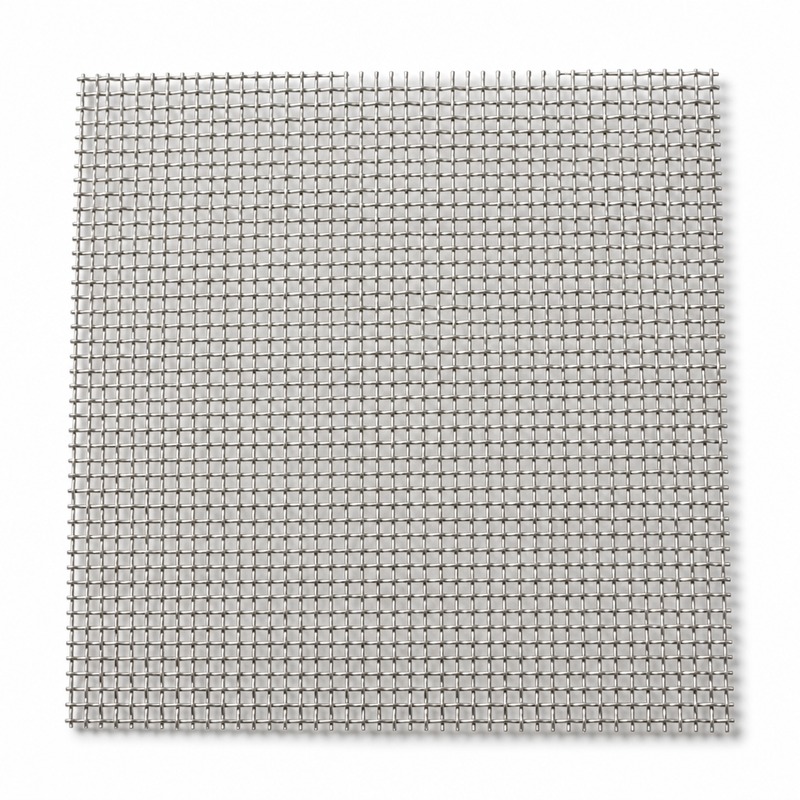
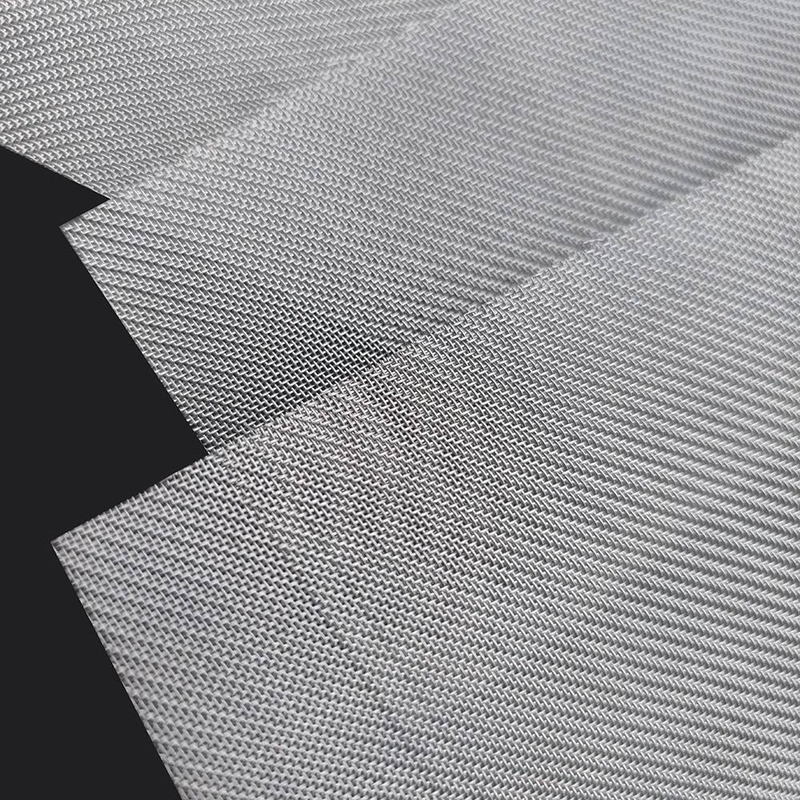
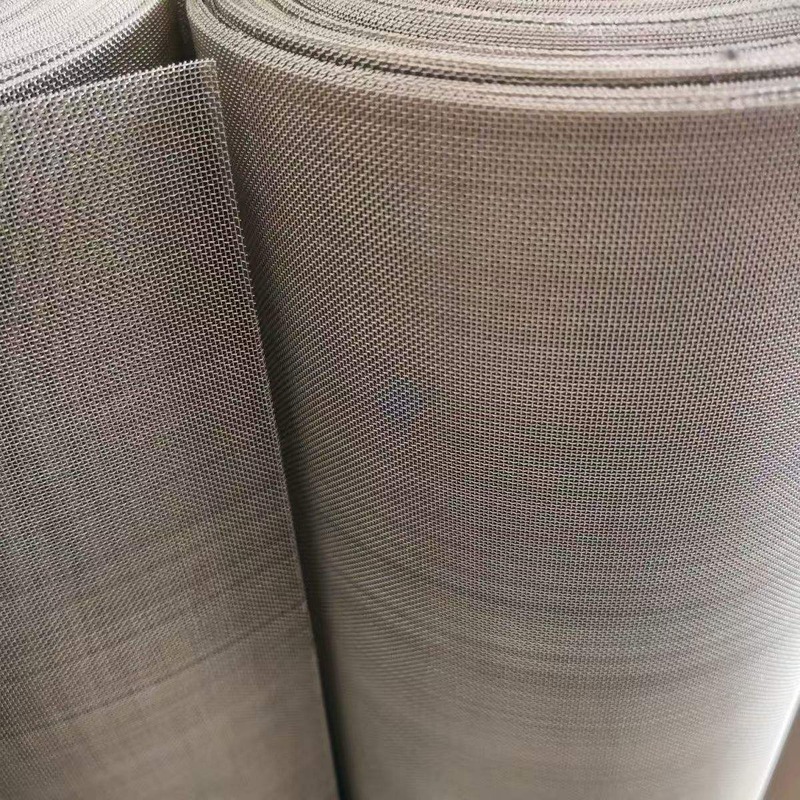
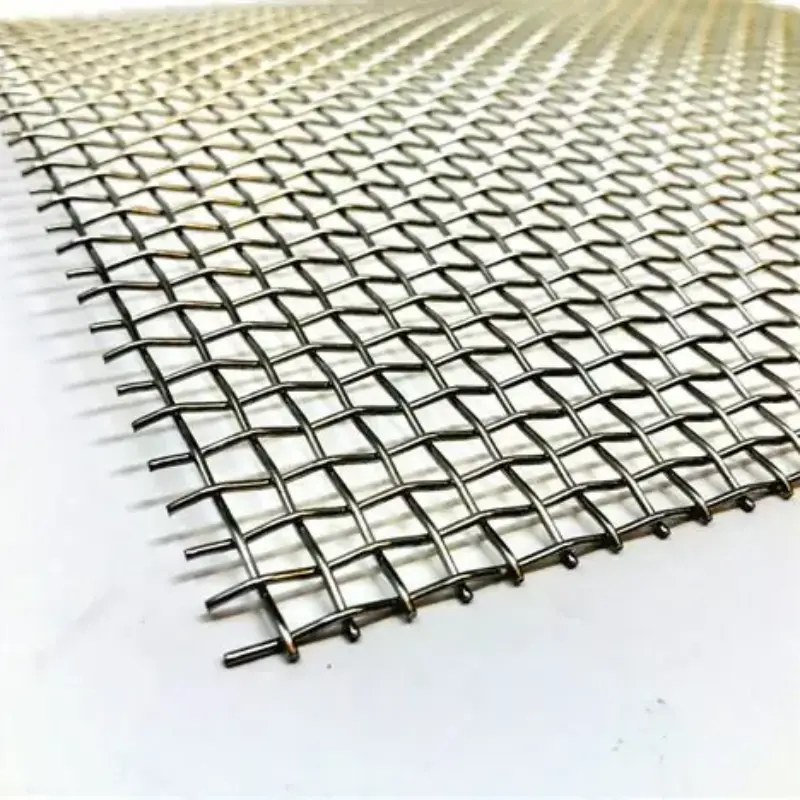
Nickel and nickel-based alloy wire mesh (woven wire cloth) is manufactured by weaving commercially pure nickel wire, or nickel alloy wire, into a precisely controlled network of warp and weft wires on precision wire-weaving looms. The cloth is supplied in rolls, sheets, discs and finished filter elements.
The most widely used grades are Nickel 200 (UNS N02200) and Nickel 201 (UNS N02201). Both are solid-solution strengthened, commercially pure wrought materials offering good mechanical properties over a wide range of temperatures and excellent resistance to many corrosives, in particular hydroxides.
Nickel 201 is a modification of Nickel 200 in which carbon is controlled to 0.02 % maximum. This prevents embrittlement by intergranular precipitates in the 600 °F to 1400 °F range in many processes. In commercial practice the elemental restrictions of the two grades are frequently combined into a single dual-certified chemistry, designated Nickel 200/201.
Both grades offer corrosion resistance in reducing and neutral media as well as in oxidising atmospheres, provided that the oxidising media allows the formation of a passive oxide film. This oxide film accounts for the excellent resistance of the material in caustic environments.
2. Grades and Designations
| Grade |
UNS Number |
Common names / notes |
| Nickel 200 |
N02200 |
Nickel 200 – standard carbon grade; limited to service below 600 °F (315 °C) |
| Nickel 201 |
N02201 |
Nickel 201, Phyweld 201 – low-carbon grade; preferred above 600 °F (315 °C) |
3. Chemical Composition (wt %)
| Grade |
Ni |
Fe |
Cu |
C |
Mn |
S |
Si |
| Nickel 200 (N02200) |
99.0 min |
0.40 max |
0.25 max |
0.15 max |
0.35 max |
0.01 max |
0.35 max |
| Nickel 201 (N02201) |
99.0 min |
0.40 max |
0.25 max |
0.02 max |
0.35 max |
0.01 max |
0.35 max |
Values are maximum unless a minimum is stated, in accordance with the applicable ASTM product specification.
4. Typical Mechanical Properties (room temperature)
| Product form |
Condition |
Tensile (ksi) |
0.2% Yield (ksi) |
Elongation (%) |
Hardness (HRB) |
| Rod & bar |
Hot finished |
60–85 |
15–45 |
55–35 |
45–80 |
| Rod & bar |
Cold drawn / annealed, or hot finished / annealed |
55–75 |
15–30 |
55–40 |
45–70 |
| Plate |
Hot rolled / annealed |
55–80 |
15–40 |
60–40 |
45–75 |
| Sheet |
Annealed |
55–75 |
15–30 |
55–40 |
70 max |
| Tube & pipe |
Seamless annealed |
55–75 |
12–30 |
60–40 |
70 max |
Ranges shown are composites for various product sizes and are therefore not suitable for specification purposes. Hardness values are suitable for specification purposes provided tensile properties are not also specified.
5. Melting Point and Service Temperature
- Melting point: 2615–2635 °F (1435–1447 °C)
- Nickel 200 is normally limited to service at temperatures below 600 °F (315 °C). At higher temperatures, Nickel 200 products can suffer from graphitisation, which can result in severely compromised properties.
- Where operating temperatures are expected to exceed 600 °F (315 °C), carbon content becomes critical. The lower carbon content of Nickel 201 makes the material resistant to graphitisation and therefore less subject to embrittlement.
- Nickel 200 and Nickel 201 are approved for construction of pressure vessels and components under the ASME Boiler and Pressure Vessel Code, Section VIII, Division 1. Nickel 200 is approved for service up to 600 °F while Nickel 201 is approved for service up to 1230 °F (666 °C).
6. Wire Mesh Specifications
Woven wire cloth is specified by four interrelated parameters – mesh count, wire diameter, aperture (opening) size and weave type. Any three of these determine the fourth.
| Parameter |
Definition / typical practice |
| Mesh count |
Number of warp (and weft) wires contained in one linear inch of cloth |
| Wire diameter |
Diameter of the individual warp / weft wires, stated in mm or inch |
| Aperture (opening) |
Clear distance between adjacent wires forming one mesh opening, usually stated in mm or micron |
| Open area |
Percentage of the total cloth area that is open; calculated from mesh count and wire diameter |
| Weave type |
Plain weave, twill weave, plain Dutch weave, twill Dutch weave (reverse Dutch weave also available) |
| Supply forms |
Rolls, sheets, cut discs, and fabricated filter elements (cylinders, baskets, screen packs) |
| Roll width and length |
Confirmed per order. Nickel-alloy wire cloth is typically produced in widths up to about 5 m |
| Edge type |
Selvedge (woven) edge, cut edge, or reinforced edge |
7. Key Characteristics
- Highly resistant to various reducing chemicals
- Excellent resistance to caustic alkalies
- High electrical conductivity and good thermal conductivity
- Excellent corrosion resistance to distilled and natural waters
- Resistance to neutral and alkaline salt solutions
- Excellent resistance to dry fluorine
- Widely used to handle caustic soda
- Good thermal, electrical and magnetostrictive properties
- Offers some resistance to hydrochloric and sulfuric acids at modest temperatures and concentrations
- Nickel 201 has a lower carbon content, which also reduces hardness and makes it ideally suited to spinning and cold forming; it has good ductility, a low work-hardening rate, and good weldability and solderability
8. Corrosion and High-Temperature Performance
- Corrosion rates in both marine and rural atmospheres are very low.
- Resistance to corrosion by distilled and natural waters is excellent.
- The material gives excellent service in flowing seawater even at high velocity. However, in stagnant or very low-velocity seawater, severe local attack may occur under fouling organisms or other deposits.
- In hot water systems where the steam contains carbon dioxide and air in certain proportions, corrosion rates will initially be high but will decrease with time if conditions favour the formation of a protective film.
- All hot working and cold working practices can be used when shaping Nickel 200/201. Hot working temperatures should be between 1200 °F and 2250 °F with heavy forming performed above 1600 °F; annealing should be performed between 1300 °F and 1600 °F.
- Nickel 200/201 can be welded by conventional welding, brazing and soldering processes, with the exception of the oxyacetylene process.
9. Typical Applications
- Food processing equipment
- Marine and offshore engineering
- Salt production
- Caustic handling equipment
- Manufacture and handling of sodium hydroxide, particularly at temperatures above 300 °F
- Reactors and vessels in which fluorine is generated and reacted with hydrocarbons
- Chemical processing and storage
- Synthetic fibre production
- Aerospace and defence applications
- Filtration and sieving duties requiring resistance to caustic and reducing media
10. Applicable Standards (ASTM)
- Seamless pipe: ASTM B161
- Welded pipe: ASTM B622
- Seamless tube: ASTM B161
- Welded tube: ASTM B622
- Sheet and plate: ASTM B162
- Bar: ASTM B160
- Fittings: ASTM B163
11. Ordering Notes
- Please state mesh count, wire diameter, aperture, weave type, roll width and length, quantity and temper when requesting a quotation.
- Where three of the four principal parameters (mesh count, wire diameter, aperture, weave type) are known, the fourth can be calculated and confirmed before order placement.
- Dutch weave specifications are commonly described using mesh count per inch and aperture size in micron.
- All data in this datasheet are typical values given for reference only. Final specification, tolerances and tolerances on aperture are confirmed on the order confirmation.
- Mill test certificates to EN 10204 3.1, third-party inspection and pre-shipment sample approval can be arranged on request.
Supplier
Anping County Bolin Metal Wire Mesh Co., Ltd.
Woven wire mesh, filter cloth and fabricated filter elements.
For quotations, samples and technical support, please contact your account manager.