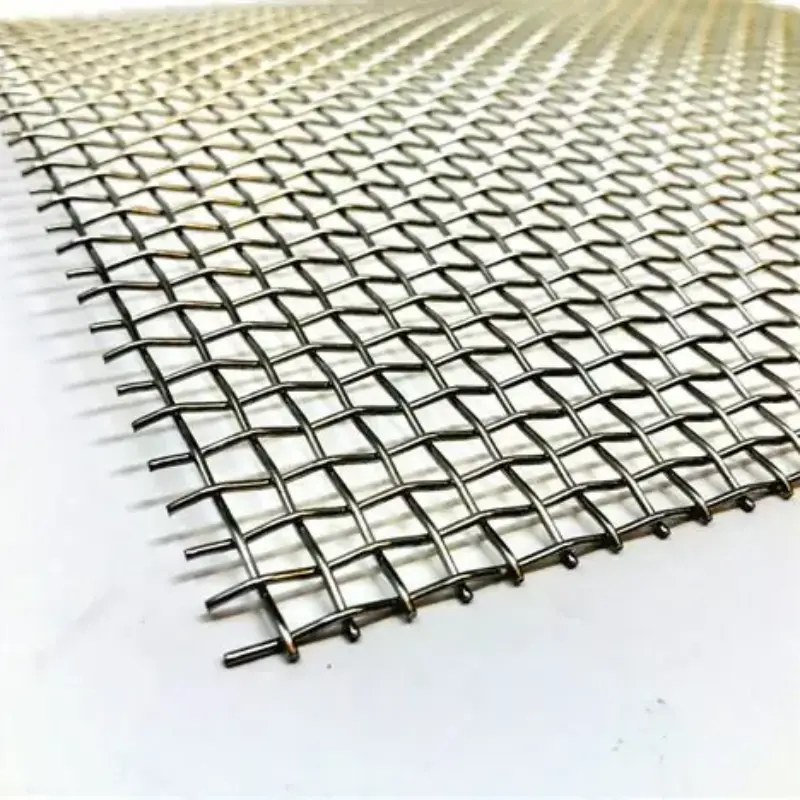
Pure Pt ≥ 99.95%, Pt-Ir (90/10, 85/15), Pt-Rh (90/10) – Description, Specifications, Composition, Properties and Applications
1. Product Description
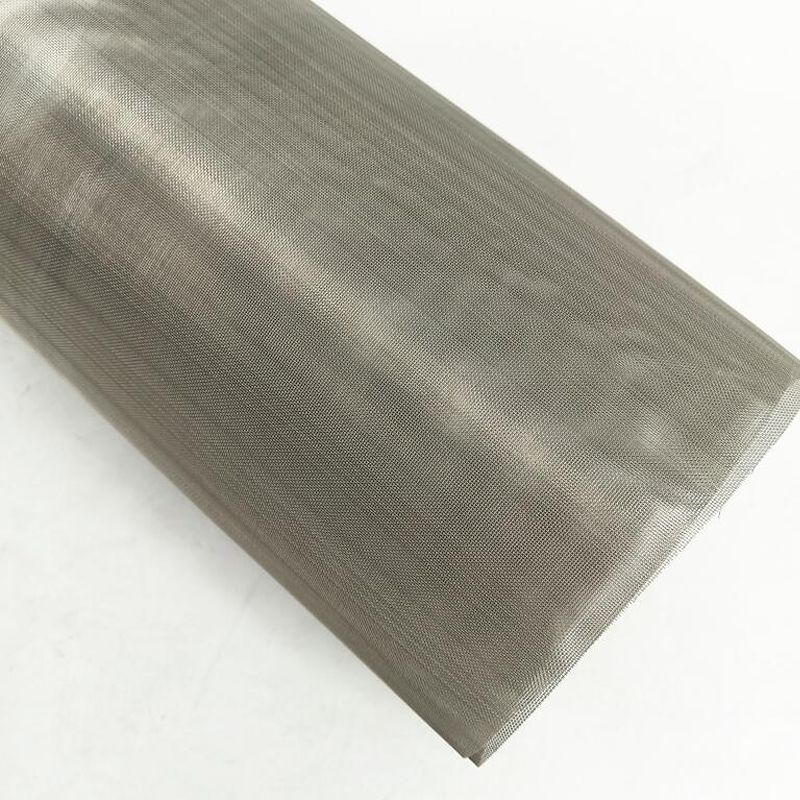
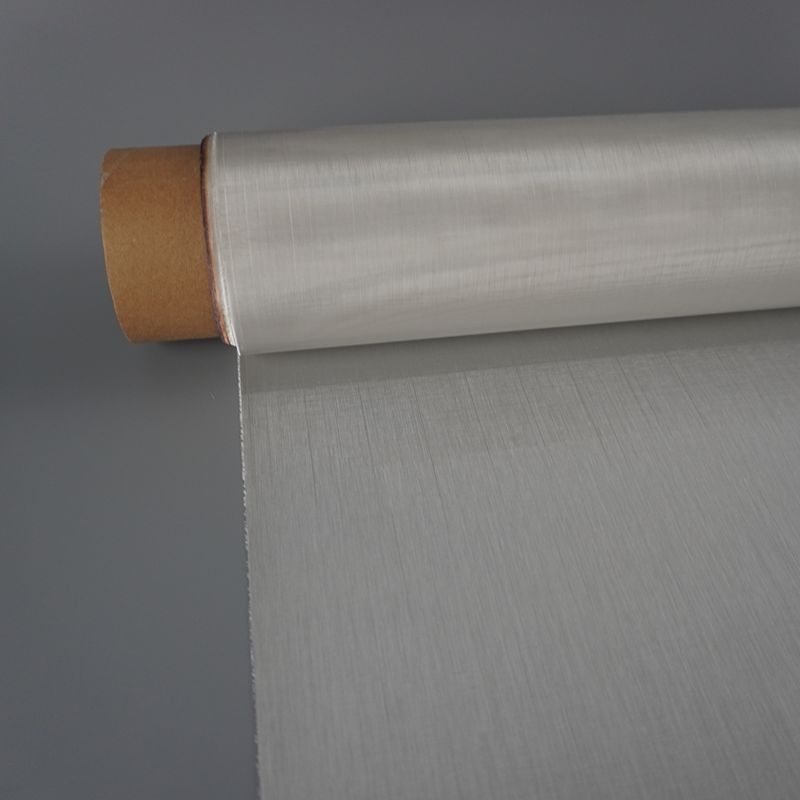
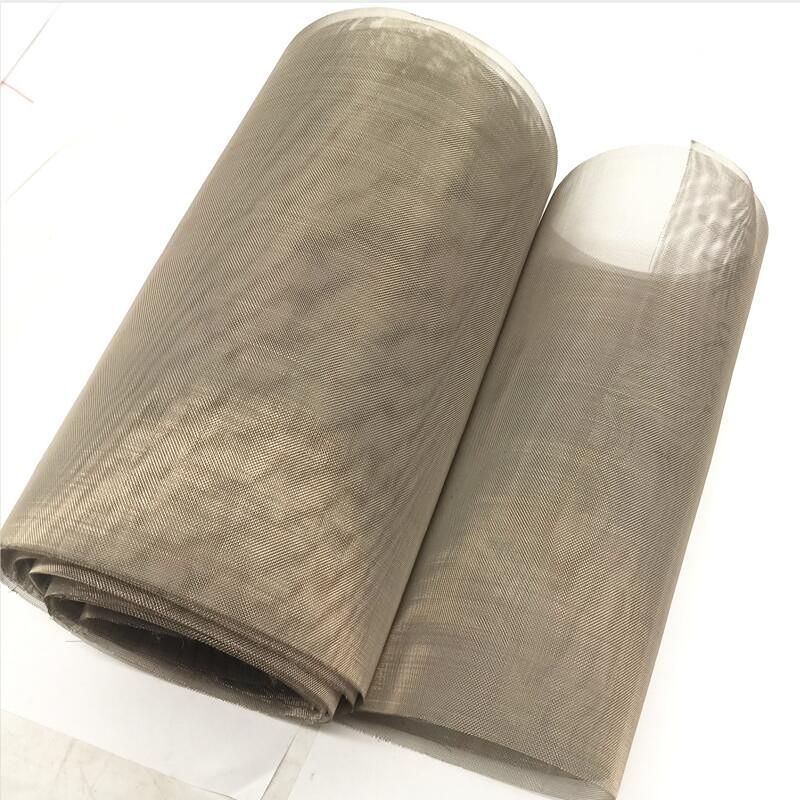
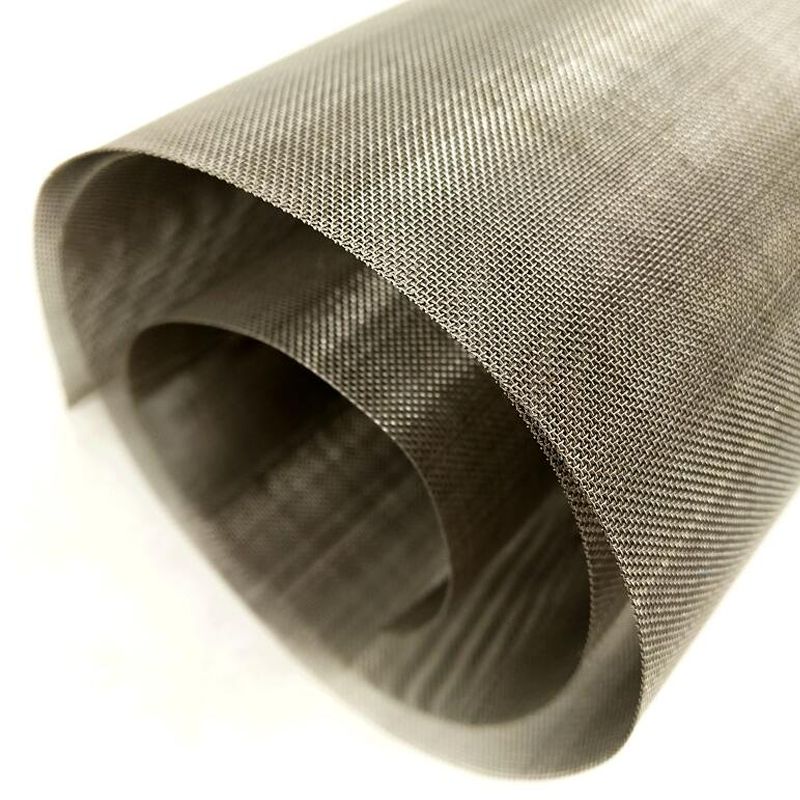
Platinum and platinum alloy wire mesh is the premier noble metal woven wire cloth engineered for severe corrosion, ultra-high temperatures, high pressures, and high-efficiency catalytic processes. We supply pure platinum wire mesh (Pt ≥ 99.95%) as well as platinum-iridium (Pt-Ir 90/10, 85/15) and platinum-rhodium (Pt-Rh 90/10) alloy meshes.
Platinum is extremely resistant to chemical attack, immune to oxidation in air at any temperature, and insoluble in hydrochloric or nitric acid individually (dissolves only in aqua regia). It exhibits superior catalytic activity, high melting point (1768 °C), outstanding electrochemical stability, and complete biological inertness.
Alloying with iridium (10% to 15% Ir) or rhodium (10% Rh) substantially elevates the mechanical hardness, yield strength, and high-temperature creep resistance, preventing wire sag and mechanical erosion under high-velocity turbulent gas streams in nitric acid synthesis and hydrogen cyanide reactors.
Platinum wire mesh is standardly woven in cleanroom environments in plain weave and twill weave patterns, supplied as multi-sheet catalyst packs, gauze circles, electrode baskets, and laboratory analytical cylinders.
2. Grades and Alloy Designations
| Grade |
Nominal Composition |
Density (g/cm³) |
Melting Point (°C) |
Key Performance Advantage |
| Pure Platinum (Pt 99.95) |
Pt ≥ 99.95% |
21.45 |
1768 |
Maximum catalytic activity, high electrical conductivity, non-toxic biocompatibility |
| Platinum-Iridium (Pt-Ir 90/10) |
Pt 90% / Ir 10% |
21.56 |
1800 |
Significantly higher yield strength, high hardness, excellent spark erosion resistance |
| Platinum-Iridium (Pt-Ir 85/15) |
Pt 85% / Ir 15% |
21.61 |
1820 |
Highest mechanical rigidity in turbulent flow, superior vibration resistance |
| Platinum-Rhodium (Pt-Rh 90/10) |
Pt 90% / Rh 10% |
19.95 |
1850 |
Extreme thermal shock resistance, minimal platinum loss above 1500 °C in oxidation |
3. Chemical Composition (wt % per ASTM B561 / B684)
| Grade |
Pt (%) |
Ir (%) |
Rh (%) |
Total Impurities max (ppm) |
| Pure Platinum (Pt 99.95) |
≥ 99.95 |
– |
– |
< 500 ppm (0.05 %) |
| Pure Platinum (Pt 99.99) |
≥ 99.99 |
– |
– |
< 100 ppm (0.01 %) |
| Pt-Ir 90/10 |
89.5 – 90.5 |
9.5 – 10.5 |
– |
< 500 ppm |
| Pt-Ir 85/15 |
84.5 – 85.5 |
14.5 – 15.5 |
– |
< 500 ppm |
| Pt-Rh 90/10 |
89.5 – 90.5 |
– |
9.5 – 10.5 |
< 500 ppm |
Trace impurities (Fe, Cu, Pb, Si, Au, Ag) strictly controlled to prevent catalytic poisoning and premature embrittlement.
4. Physical and Mechanical Properties
| Property |
Pure Pt (99.95%) |
Pt-Ir 90/10 |
Pt-Rh 90/10 |
Unit |
| Density at 20°C |
21.45 |
21.56 |
19.95 |
g/cm³ |
| Melting Point |
1768 ± 5 |
1800 ± 10 |
1850 ± 10 |
°C |
| Tensile Strength (soft annealed) |
130 – 160 |
350 – 450 |
300 – 400 |
MPa |
| Tensile Strength (hard drawn) |
300 – 380 |
750 – 900 |
650 – 800 |
MPa |
| Hardness (annealed / hard) |
40 / 100 |
120 / 240 |
90 / 200 |
HV |
| Electrical Resistivity (20°C) |
0.106 |
0.245 |
0.190 |
μΩ·m |
| Temperature Coeff. of Resistivity |
0.00392 |
0.0013 |
0.0016 |
K⁻¹ |
| Thermal Conductivity (20°C) |
71.6 |
31.0 |
46.0 |
W/(m·K) |
| Coefficient of Thermal Expansion |
8.9 |
8.7 |
9.1 |
× 10⁻⁶ / K |
| Max. Operating Temp. in Air |
1400 |
1500 |
1650 |
°C |
Platinum-rhodium alloys provide the highest continuous oxidation temperature ceiling (up to 1650 °C).
5. Key Characteristics
- Supreme catalytic efficiency for oxidation and reduction reactions, especially ammonia oxidation and hydrogen evolution
- Total resistance to atmospheric oxidation and burning at all temperatures up to its melting point (1768 °C)
- Insoluble in pure mineral acids (HCl, HNO₃, H₂SO₄, HF) and alkaline solutions at ambient and elevated temperatures
- Pt-Ir alloys offer up to 3× higher yield strength and 2.5× higher hardness than pure Pt, preventing wire stretching and deformation
- Pt-Rh alloys exhibit superior resistance to thermal shock and volatilization loss in high-temperature exothermic reaction chambers
- Outstanding electrochemical reversibility, zero polarization hysteresis, and complete chemical inertness for laboratory electrodes
- High intrinsic scrap metal value and recyclability through precious metal recovery programs
6. Wire Mesh Standard Industrial Specifications
Eight standard industrial specifications engineered for catalytic reactors, electrolyzers, and laboratory instrumentation are presented below:
| Material Grade |
Mesh Count |
Wire Diameter (in / mm) |
Open Area (%) |
Typical Industrial Applications |
| Pure Platinum (Pt ≥ 99.95%) |
20 × 20 |
0.0140 in (0.35 mm) |
51.8 % |
Industrial hydrogen electrolysis, precious metal recovery support |
| Pure Platinum (Pt ≥ 99.95%) |
52 × 52 |
0.0040 in (0.10 mm) |
62.7 % |
Industrial sensor shielding, high-efficiency catalytic mesh |
| Pure Platinum (Pt ≥ 99.95%) |
80 × 80 |
0.0030 in (0.075 mm) |
57.8 % |
Precision filtration in strong acid and alkali environments |
| Pure Platinum (Pt ≥ 99.95%) |
100 × 100 |
0.0030 in (0.075 mm) |
49.0 % |
Precision electrochemical measurement, high-temperature shielding |
| Pt-Rh Alloy (Pt 90% / Rh 10%) |
80 × 80 |
0.0030 in (0.075 mm) |
57.8 % |
High-temperature ammonia oxidation catalysis, thermocouple support |
| Pt-Ir Alloy (Pt 90% / Ir 10%) |
150 × 150 |
0.0016 in (0.040 mm) |
57.8 % |
Precision industrial sensing, ultrafine fluid filtration |
| Pt-Ir Alloy (Pt 85% / Ir 15%) |
18 × 18 |
0.0126 in (0.32 mm) |
59.7 % |
Catalyst support in high-vibration environments, coarse filtration |
| Pt-Ir Alloy (Pt 85% / Ir 15%) |
40 × 40 |
0.0060 in (0.15 mm) |
57.8 % |
Chemical reactor substrates, high-hardness electrodes |
Gauzes are commonly fabricated into circular packs with diameters from 50 mm to 3000 mm for industrial reactors.
| Parameter |
Definition / typical practice |
| Mesh count |
Number of warp (and weft) wires contained in one linear inch of cloth |
| Wire diameter |
Diameter of the individual warp / weft wires, stated in mm or inch |
| Aperture (opening) |
Clear distance between adjacent parallel wires forming one mesh opening, usually stated in mm or micron |
| Open area |
Percentage of the total cloth area that is open; calculated from mesh count and wire diameter |
| Weave type |
Plain weave, twill weave, plain Dutch weave, and twill Dutch weave |
| Supply forms |
Rolls, cut sheets, precision discs, stamps, and fabricated filter elements (cylinders, baskets, porous electrodes) |
| Roll width and length |
Standard width 0.1 m to 1.5 m (up to 2.0 m on request); roll length 10 m to 30 m, or custom cut |
| Edge type |
Selvedge (woven) edge, cut edge, or ultrasonically sealed / reinforced edge |
7. Typical Applications
- Nitric acid & fertilizer industry: woven Pt-Rh / Pt-Ir gauze catalyst packs for high-temperature ammonia oxidation (Ostwald process)
- Chemical synthesis: hydrogen cyanide (HCN) synthesis catalyst screens (Andrussow process)
- Hydrogen energy & water electrolysis: highly active catalytic mesh layers for oxygen evolution (OER) and hydrogen evolution (HER)
- Laboratory & electrochemistry: standard platinum gauze working electrodes, counter electrodes, and coulometric electrolysis baskets
- Semiconductor & advanced manufacturing: high-temperature sensor protection and corrosion-resistant shielding in epitaxial reactors
- Aerospace & gas turbines: high-temperature turbine sensor shields, flame ionization probes, and high-reliability spark igniters
8. Applicable Standards
- ASTM B561: Standard Specification for Refined Platinum
- ASTM B684: Standard Specification for Platinum-Iridium Alloy Wire
- ASTM E2016: Standard Specification for Industrial Woven Wire Cloth
- ISO 9044: Industrial woven wire cloth – Technical requirements and testing
9. Ordering Notes
- Please state metal purity / grade, mesh count, wire diameter, aperture size, weave type, roll width and length, quantity, and required surface finish (bright / chemically cleaned / as-drawn black) when requesting a quotation.
- Where three of the four principal parameters (mesh count, wire diameter, aperture, weave type) are known, the fourth can be calculated and confirmed before order placement.
- Precious metal meshes (Silver, Platinum) and refractory metals (Tungsten, Molybdenum, Niobium) are subject to material price indexing at the time of quotation and order confirmation.
- All data in this datasheet are typical values given for reference only. Final specifications and mechanical / dimensional tolerances are confirmed on the official order acknowledgement.
- Mill test certificates to EN 10204 3.1, chemical assay analysis, third-party inspection, and pre-shipment sample approval can be arranged upon request.
Supplier
Anping County Bolin Metal Wire Mesh Co., Ltd.
Precision woven wire mesh, filter cloth and rare/precious metal wire mesh solutions.
For quotations, custom weaving parameters and technical support, please contact your account manager.