Purity ≥ 99.95% (UNS R04200 / R04210) – Description, Specifications, Composition, Properties and Applications
1. Product Description
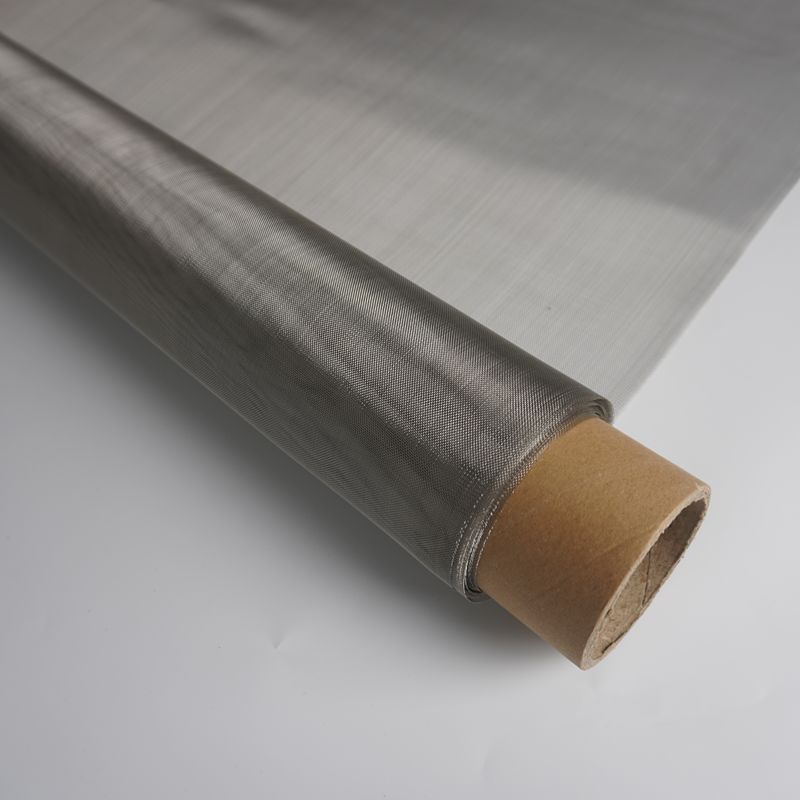
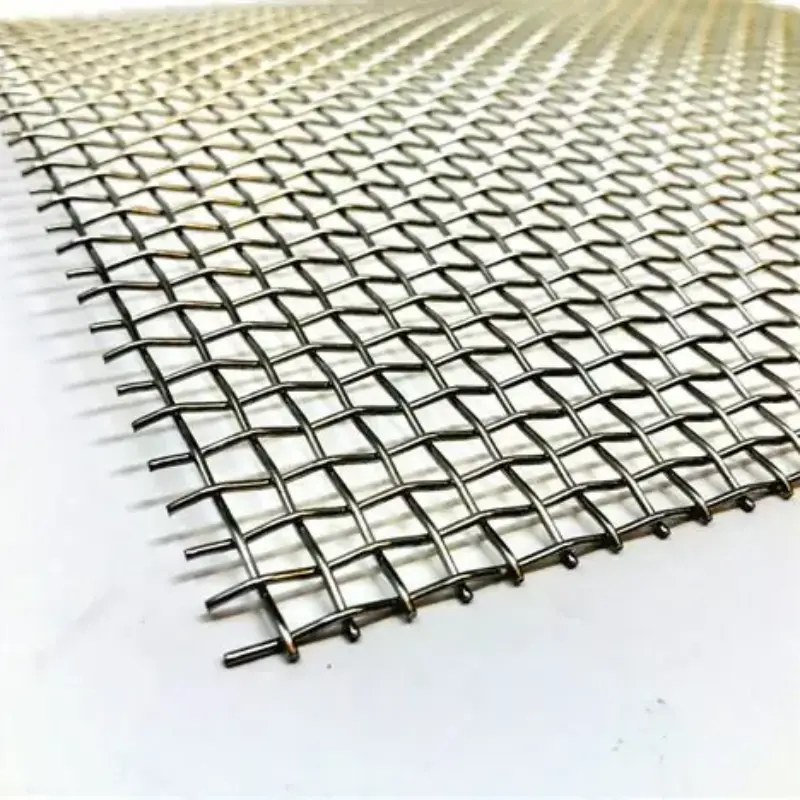
Niobium wire mesh (historically also designated Columbium wire cloth) is a rare refractory metal woven wire mesh manufactured from high-purity niobium wire (Grade Nb-1 / UNS R04200, ≥ 99.99% and Grade Nb-2 / UNS R04210, ≥ 99.95%). Niobium features a high melting point of 2468 °C (4474 °F), moderate density (8.57 g/cm³ – about half that of tantalum), high ductility at room temperature, and remarkable chemical inertness.
Niobium exhibits outstanding resistance to aggressive chemical attack: it does not react with inorganic acids (hydrochloric, nitric, sulfuric, or phosphoric acid at moderate temperatures), is unaffected by concentrated alkalis, and is insoluble in aqua regia. Niobium is attacked only by hydrofluoric acid (HF) and acidic solutions containing fluoride ions. Its acid corrosion resistance exceeds that of titanium and zirconium, ranking closely behind tantalum while offering substantial weight and cost advantages.
In high-temperature vacuum furnaces and superconducting electronics, niobium is prized for its low thermal neutron cross-section (1.1 barns), superconducting transition temperature (Tc = 9.25 K – highest of all elemental metals), low vapor pressure, and excellent biocompatibility.
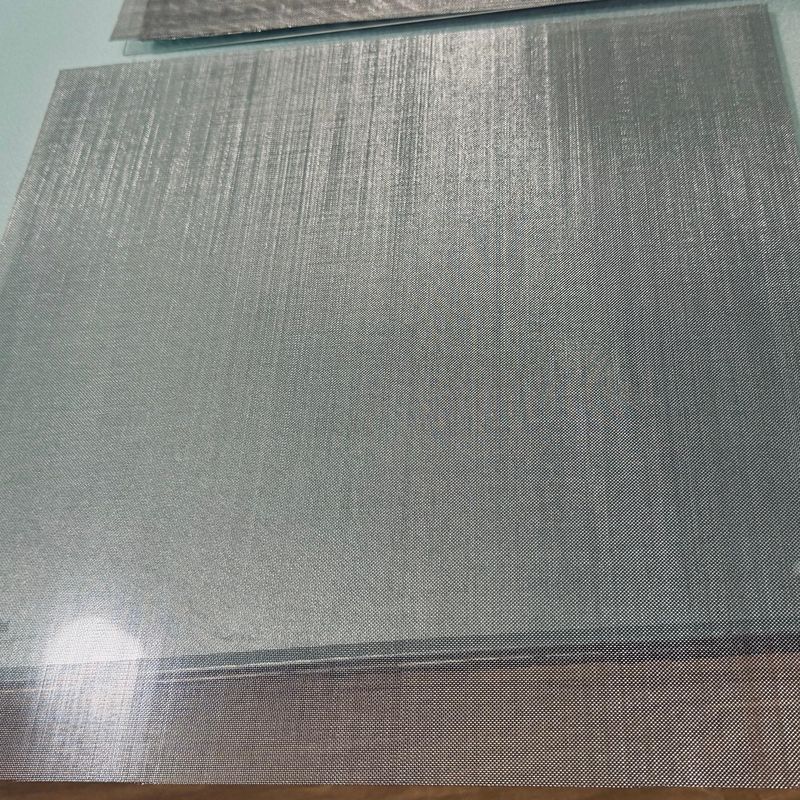
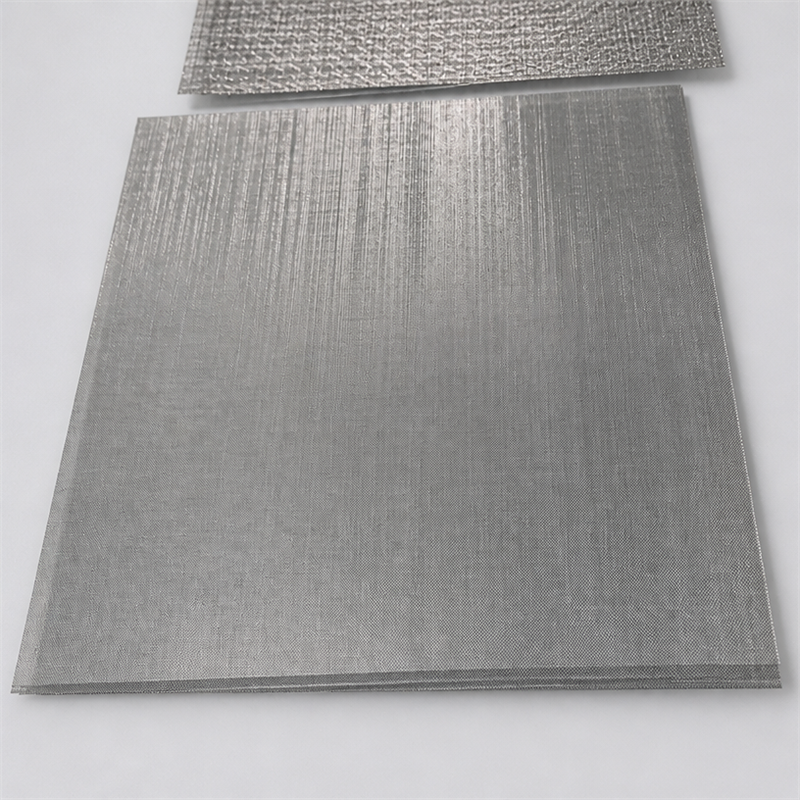
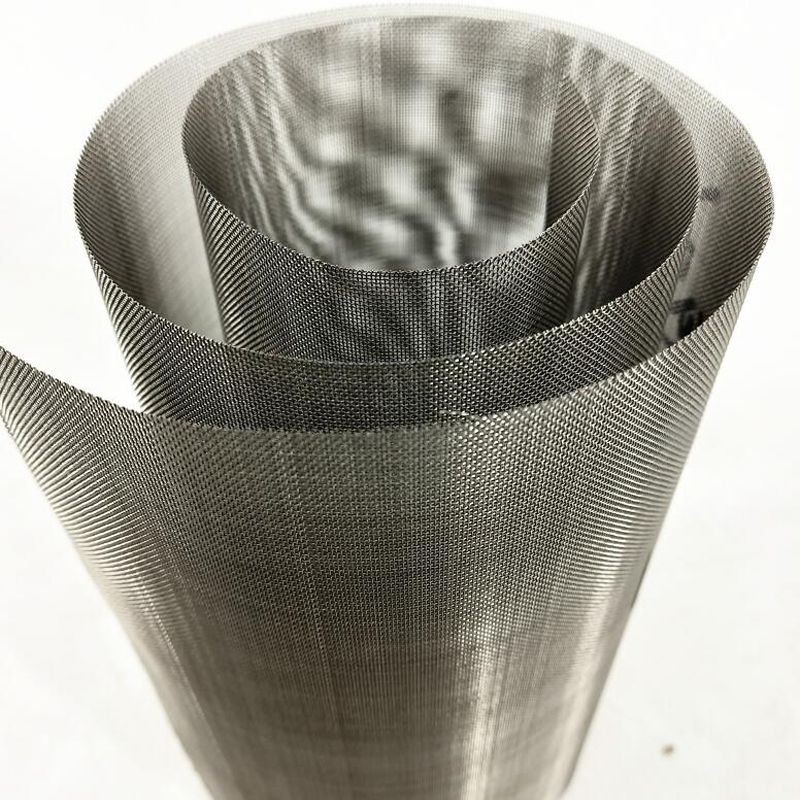
Niobium wire cloth is woven primarily in plain weave and twill weave patterns, supplied in bright annealed finish, with standard mesh counts from 10 mesh to 200 mesh.
2. Grades and Designations
| Grade |
UNS Number |
Purity (%) |
Material Designation |
Typical Characteristics |
| Nb-1 (Reactor / High Purity) |
R04200 |
≥ 99.99 |
Pure Niobium (Columbium) |
Ultra-low Ta and interstitial levels; semiconductor, nuclear, and superconducting grade |
| Nb-2 (Commercial Grade) |
R04210 |
≥ 99.95 |
Commercial Pure Niobium |
Standard chemical anti-corrosion grade; excellent ductility and acid resistance |
| Nb-1Zr Alloy |
R04261 |
Nb + 1.0% Zr |
Niobium-Zirconium Alloy |
Enhanced high-temperature tensile and creep strength, grain refinement |
3. Chemical Composition (wt % per ASTM B392 / GB/T 3634)
| Element |
Nb |
Ta max |
Fe max |
Si max |
W max |
Mo max |
C max |
O max |
N max |
H max |
| Nb-1 (R04200) |
Balance (≥ 99.99) |
0.050 |
0.005 |
0.005 |
0.005 |
0.005 |
0.010 |
0.015 |
0.005 |
0.0015 |
| Nb-2 (R04210) |
Balance (≥ 99.95) |
0.100 |
0.010 |
0.005 |
0.010 |
0.010 |
0.015 |
0.025 |
0.010 |
0.0015 |
For nuclear / reactor service (R04200), tantalum and boron contents are strictly restricted to maintain low neutron absorption cross-section.
4. Physical and Mechanical Properties
| Property |
Value |
Unit |
Conditions / Remarks |
| Melting Point |
2468 ± 10 |
°C |
High-temperature refractory metal |
| Boiling Point |
4744 |
°C |
Low evaporation rate |
| Density |
8.57 |
g/cm³ |
At 20 °C (approx. half the density of tantalum: 16.6 g/cm³) |
| Tensile Strength (annealed) |
240 – 380 |
MPa |
Soft, exceptional ductility at room temperature |
| Yield Strength (Rp0.2) |
140 – 220 |
MPa |
Annealed condition |
| Elongation (A50) |
25 – 40 |
% |
High room-temperature formability |
| Hardness (annealed) |
60 – 90 |
HV |
Easily bent and woven without wire fracture |
| Electrical Resistivity |
0.152 |
μΩ·m |
At 0 °C |
| Superconducting Transition Temp. (Tc) |
9.25 |
K |
Highest superconducting Tc among all elemental metals |
| Thermal Conductivity |
53.7 |
W/(m·K) |
At 20 °C |
| Coefficient of Thermal Expansion |
7.3 × 10⁻⁶ |
/ K |
Mean value 20 – 1000 °C |
| Thermal Neutron Absorption |
1.1 |
barns |
Low neutron absorption for nuclear core applications |
| Max. Continuous Service Temp. |
1600 – 1800 |
°C |
In high vacuum (< 10⁻³ Pa) or inert atmospheres |
ATMOSPHERIC LIMITATION: Niobium begins to react with oxygen and nitrogen above 200 °C and absorbs hydrogen readily between 250 °C and 950 °C (causing hydrogen embrittlement). High-temperature applications must be performed in high vacuum (< 10⁻³ Pa) or ultra-pure inert gas.
5. Key Characteristics
- Superb chemical resistance – completely insoluble in aqua regia, hydrochloric acid, nitric acid, sulfuric acid, and organic acids at moderate temperatures
- Economical and lightweight alternative to tantalum – provides comparable chemical inertness at roughly half the density (8.57 vs 16.6 g/cm³) and lower material cost
- High melting point (2468 °C) with excellent structural integrity in high-temperature vacuum environments
- Highest superconducting critical transition temperature (Tc = 9.25 K) of any elemental metal, vital for cryogenic and quantum systems
- Excellent ambient ductility and low work-hardening rate, enabling seamless precision weaving up to 200 mesh
- Low thermal neutron capture cross-section (1.1 barns), highly suitable for nuclear reactor internal components
- Non-toxic and biocompatible, forming a stable dielectric surface film suitable for electrolytic capacitors and surgical implants
6. Wire Mesh Standard Specifications
Niobium woven wire mesh is standardly woven from 10 mesh up to 200 mesh per inch in plain and twill weave patterns. Standard industrial specifications are detailed below:
| Mesh Count |
Wire Diameter (mm / in) |
Aperture (mm / in) |
Open Area (%) |
Weave Pattern |
| 10 × 10 |
0.40 mm (0.0157 in) |
2.14 mm (0.0843 in) |
71.0 % |
Plain |
| 20 × 20 |
0.25 mm (0.0098 in) |
1.02 mm (0.0402 in) |
64.5 % |
Plain |
| 30 × 30 |
0.20 mm (0.0079 in) |
0.65 mm (0.0255 in) |
58.4 % |
Plain |
| 40 × 40 |
0.15 mm (0.0059 in) |
0.485 mm (0.0191 in) |
58.4 % |
Plain |
| 50 × 50 |
0.12 mm (0.0047 in) |
0.388 mm (0.0153 in) |
58.4 % |
Plain |
| 60 × 60 |
0.10 mm (0.0039 in) |
0.323 mm (0.0127 in) |
58.4 % |
Plain / Twill |
| 80 × 80 |
0.08 mm (0.0031 in) |
0.237 mm (0.0093 in) |
55.9 % |
Plain / Twill |
| 100 × 100 |
0.06 mm (0.0024 in) |
0.194 mm (0.0076 in) |
58.4 % |
Plain / Twill |
| 120 × 120 |
0.05 mm (0.0020 in) |
0.162 mm (0.0064 in) |
58.4 % |
Twill |
| 150 × 150 |
0.04 mm (0.0016 in) |
0.129 mm (0.0051 in) |
58.4 % |
Twill |
| 200 × 200 |
0.035 mm (0.0014 in) |
0.092 mm (0.0036 in) |
52.5 % |
Twill |
Custom mesh counts, roll widths (50 mm to 1500 mm), and precision stamped filter discs can be tailored to order.
| Parameter |
Definition / typical practice |
| Mesh count |
Number of warp (and weft) wires contained in one linear inch of cloth |
| Wire diameter |
Diameter of the individual warp / weft wires, stated in mm or inch |
| Aperture (opening) |
Clear distance between adjacent parallel wires forming one mesh opening, usually stated in mm or micron |
| Open area |
Percentage of the total cloth area that is open; calculated from mesh count and wire diameter |
| Weave type |
Plain weave, twill weave, plain Dutch weave, and twill Dutch weave |
| Supply forms |
Rolls, cut sheets, precision discs, stamps, and fabricated filter elements (cylinders, baskets, porous electrodes) |
| Roll width and length |
Standard width 0.1 m to 1.5 m (up to 2.0 m on request); roll length 10 m to 30 m, or custom cut |
| Edge type |
Selvedge (woven) edge, cut edge, or ultrasonically sealed / reinforced edge |
7. Typical Applications
- Semiconductor wet processing: high-purity chemical etching baskets, acid purification filters, wafer cleaning carrier baskets
- Chemical and petrochemical engineering: severe acid fluid filtration, corrosive chlorine and bromine handling screens, catalyst supports
- Superconducting & quantum technologies: superconducting RF cavity mesh components, cryogenic electromagnetic shielding
- Vacuum furnace engineering: high-temperature vacuum sintering element supports, heat shield partitions, structural grid spacers
- Nuclear energy: structural screening components in sodium-cooled and molten salt nuclear reactors
- Medical and biotechnical devices: biocompatible implantable mesh, surgical bone fixator grids, pacemakers
8. Applicable Standards
- ASTM B392: Standard Specification for Niobium and Niobium Alloy Bar, Rod, and Wire (UNS R04200, R04210)
- ASTM E2016: Standard Specification for Industrial Woven Wire Cloth
- GB/T 3634: Niobium and Niobium Alloy Wires (Chinese National Standard)
- ISO 9044: Industrial woven wire cloth – Technical requirements and testing
9. Ordering Notes
- Please state metal purity / grade, mesh count, wire diameter, aperture size, weave type, roll width and length, quantity, and required surface finish (bright / chemically cleaned / as-drawn black) when requesting a quotation.
- Where three of the four principal parameters (mesh count, wire diameter, aperture, weave type) are known, the fourth can be calculated and confirmed before order placement.
- Precious metal meshes (Silver, Platinum) and refractory metals (Tungsten, Molybdenum, Niobium) are subject to material price indexing at the time of quotation and order confirmation.
- All data in this datasheet are typical values given for reference only. Final specifications and mechanical / dimensional tolerances are confirmed on the official order acknowledgement.
- Mill test certificates to EN 10204 3.1, chemical assay analysis, third-party inspection, and pre-shipment sample approval can be arranged upon request.
Supplier
Anping County Bolin Metal Wire Mesh Co., Ltd.
Precision woven wire mesh, filter cloth and rare/precious metal wire mesh solutions.
For quotations, custom weaving parameters and technical support, please contact your account manager.