Purity ≥ 99.95% (UNS R03600 / Type 361) – Description, Specifications, Composition, Properties and Applications
1. Product Description
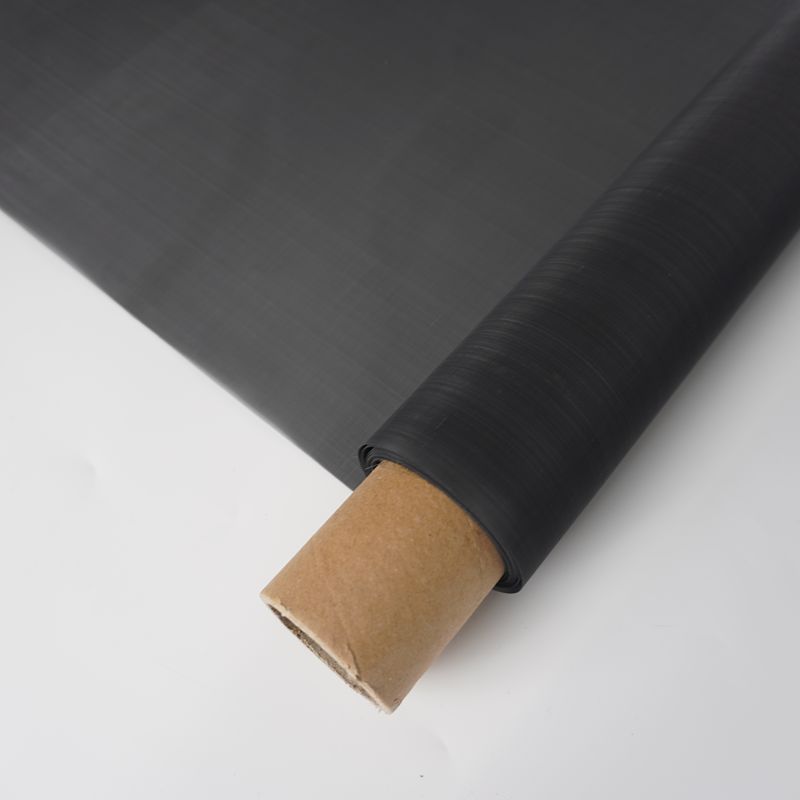
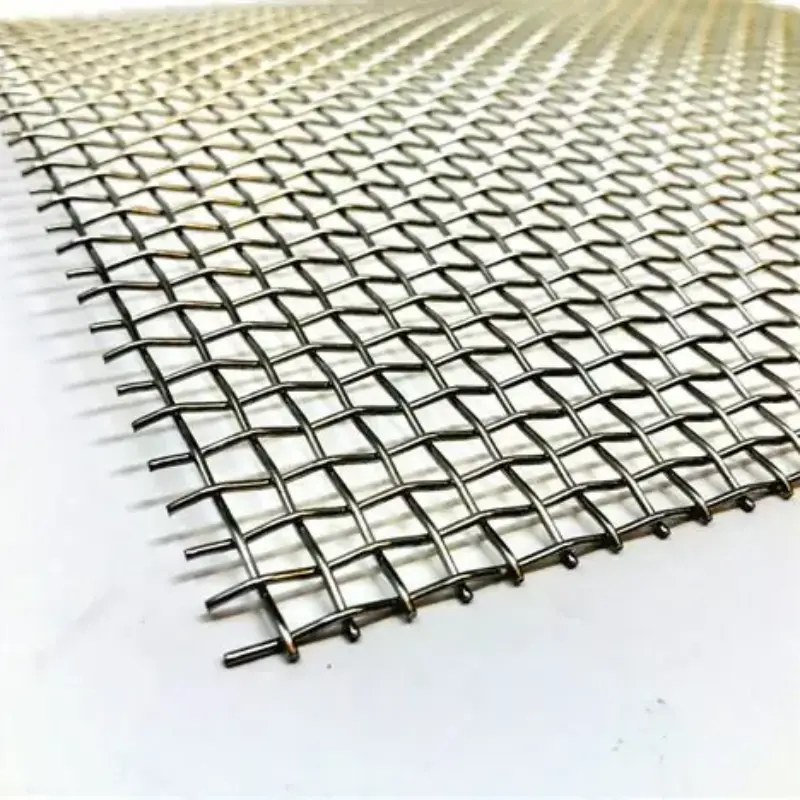
Molybdenum wire mesh is a refractory metal woven wire cloth precision-woven from high-purity molybdenum wire (grade Mo-1 / Type 361, Mo ≥ 99.95%). Molybdenum belongs to the refractory metal group (Group 6), exhibiting an extraordinarily high melting point of 2610 °C (4730 °F), high thermal and electrical conductivity, low coefficient of thermal expansion, and remarkable creep resistance under ultra-high temperature vacuum or protective atmosphere conditions.
Compared with tungsten, molybdenum exhibits greater ductility and lower density (10.2 g/cm³ vs 19.3 g/cm³ for tungsten), making it significantly easier to weave into uniform, defect-free fine mesh screens up to 400 mesh per inch.
In high-temperature vacuum furnaces, inert atmospheres, or hydrogen reducing environments, molybdenum wire mesh maintains exceptional dimensional stability, high tensile and rupture strength, and low vapor pressure. It is widely applied as vacuum furnace heating elements, heat-shielding radiation screens, sintered carrier trays, and catalyst beds.
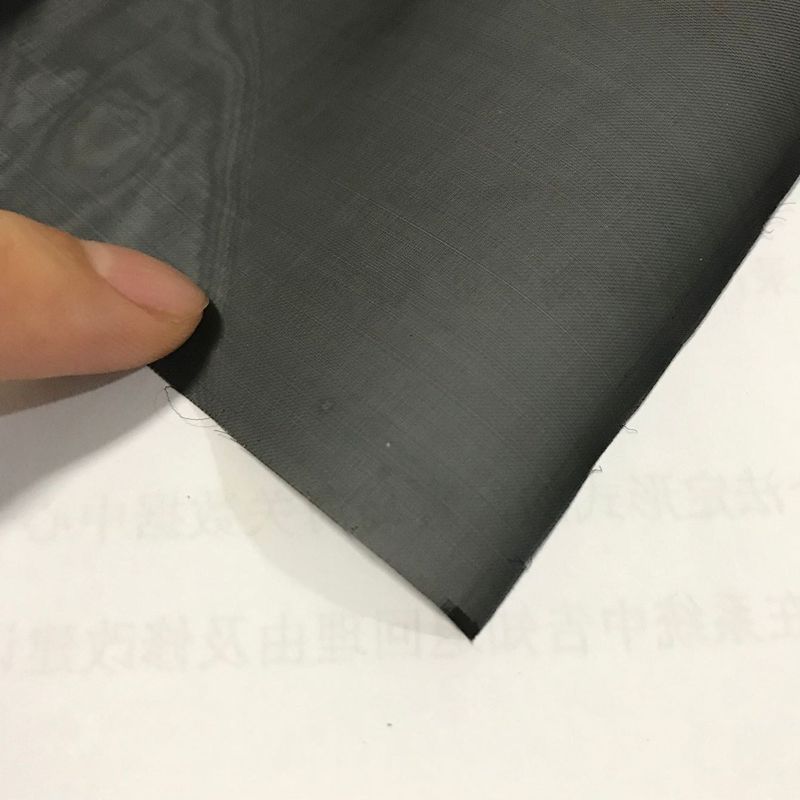
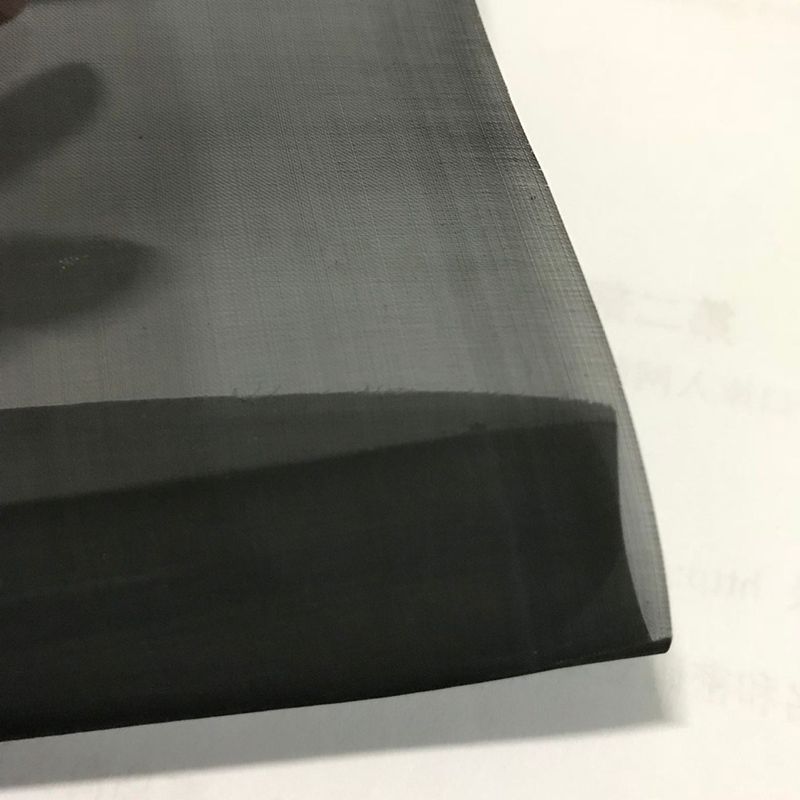
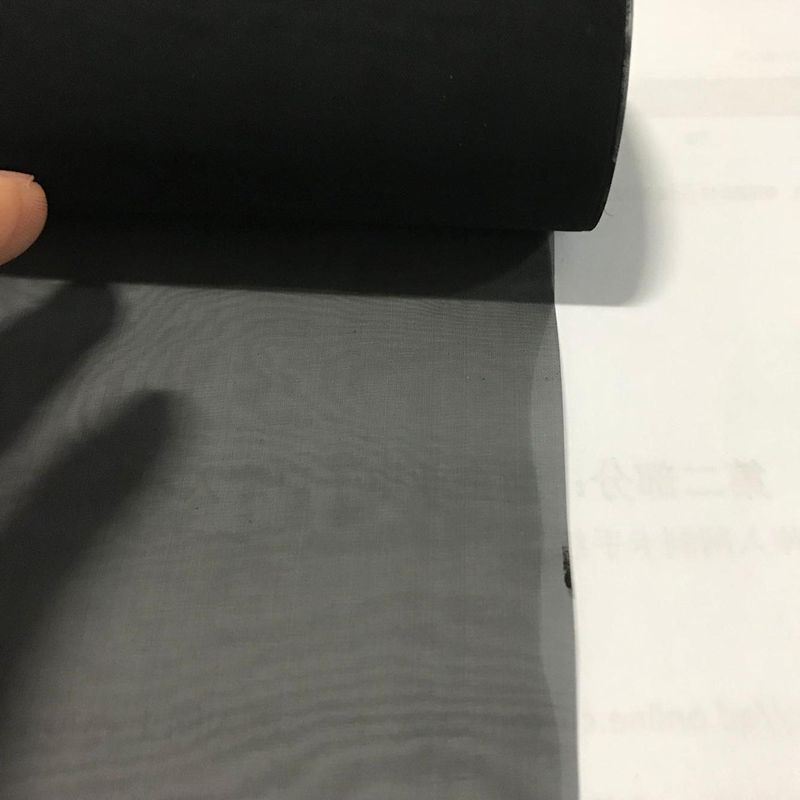
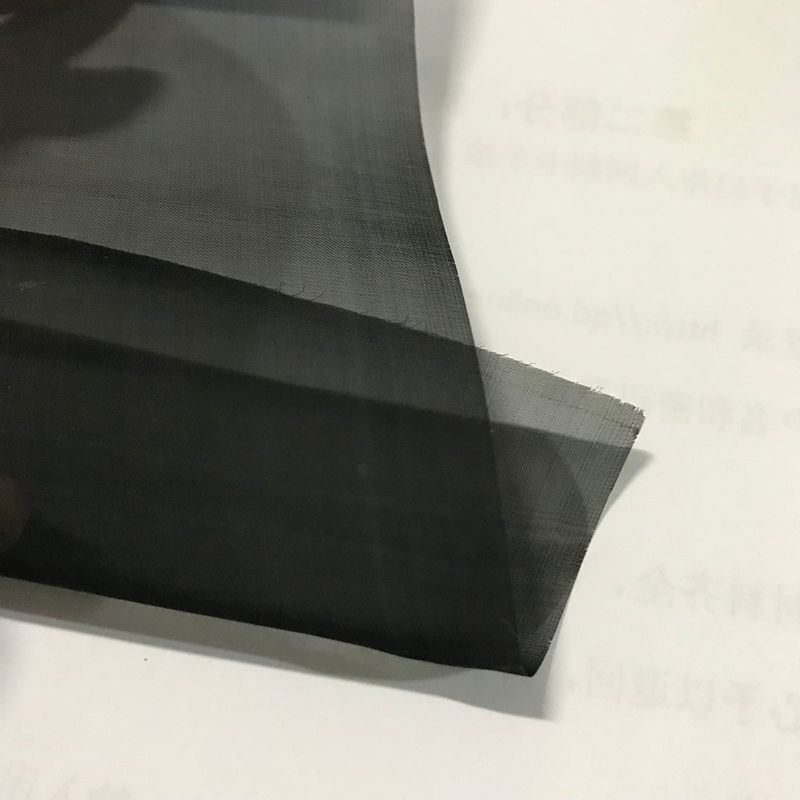
Molybdenum wire cloth is available in bright chemically cleaned finish or black (graphite-lubricated) surface, woven in plain weave, twill weave, and Dutch weave patterns.
2. Grades and Designations
| Grade |
UNS Number |
ASTM Type |
Purity (%) |
Typical Application |
| Pure Molybdenum (Mo-1) |
R03600 |
Type 361 (ASTM B387) |
≥ 99.95 |
High-temperature vacuum furnace elements, thermal shielding, CVD catalyst mesh |
| Mo-La Alloy (Lanthanated) |
– |
– |
Mo + 0.3-0.7% La₂O₃ |
High-temperature creep resistance, higher recrystallization temperature (≈ 1400°C) |
3. Chemical Composition (wt % per ASTM B387 Type 361 / GB/T 4187)
| Element |
Mo |
Fe max |
Ni max |
Cr max |
Al max |
Si max |
C max |
O max |
N max |
| Content (%) |
≥ 99.95 |
0.010 |
0.005 |
0.005 |
0.002 |
0.003 |
0.005 |
0.007 |
0.003 |
Total metallic impurities are held below 0.05% (500 ppm). Gas impurities (C, O, N, H) are strictly minimized to preserve ambient ductility and prevent premature grain-boundary embrittlement.
4. Physical and Mechanical Properties
| Property |
Value |
Unit |
Conditions / Remarks |
| Melting Point |
2610 ± 10 |
°C |
Extreme high-temperature capability |
| Boiling Point |
5560 |
°C |
Low evaporation tendency |
| Density |
10.22 |
g/cm³ |
At 20 °C |
| Tensile Strength (annealed wire) |
650 – 850 |
MPa |
At room temperature (wire Ø 0.1 – 0.5 mm) |
| Tensile Strength (as-drawn wire) |
1000 – 1500 |
MPa |
High-tensile spring temper condition |
| Elongation |
10 – 25 |
% |
Annealed condition |
| Electrical Resistivity |
0.052 – 0.057 |
μΩ·m |
At 20 °C (excellent electrical conductor) |
| Thermal Conductivity |
138 |
W/(m·K) |
At 20 °C |
| Coefficient of Thermal Expansion |
4.8 – 5.3 |
× 10⁻⁶ / K |
Mean value 20 – 1000 °C |
| Recrystallization Temperature |
900 – 1100 |
°C |
Pure Mo; recrystallization causes room-temp embrittlement |
| Max. Continuous Service Temp. |
1700 – 1800 |
°C |
In vacuum or hydrogen reducing atmospheres |
CRITICAL OPERATIONAL NOTICE: Molybdenum rapidly oxidizes in air at temperatures above 400 °C, forming volatile MoO₃ above 600 °C. High-temperature operation MUST be conducted in vacuum (< 10⁻² Pa), pure hydrogen, or inert gas (Ar, He) environments.
5. Key Characteristics
- Extremely high melting point (2610 °C) with superb creep and thermal deformation resistance
- Low vapor pressure at elevated temperatures, ensuring zero contamination in ultra-high vacuum systems
- Low coefficient of thermal expansion (approx. 5.0 × 10⁻⁶/K) matched closely to borosilicate glass and ceramics
- High electrical conductivity and thermal conductivity, enabling efficient resistive heat generation and uniform heat dispersion
- Exceptional resistance to molten metals (lead, lithium, magnesium, sodium) and liquid glass corrosion
- Good resistance to hydrofluoric, hydrochloric, and sulfuric acids at moderate temperatures in non-oxidizing conditions
6. Wire Mesh Standard Specifications
Molybdenum wire cloth is standardly woven from 1 mesh up to 400 mesh per inch. Common industrial specifications are detailed below:
| Mesh Count |
Wire Diameter (mm / in) |
Aperture (mm / in) |
Open Area (%) |
Weave Pattern |
| 10 × 10 |
0.50 mm (0.0197 in) |
2.04 mm (0.0803 in) |
64.5 % |
Plain |
| 20 × 20 |
0.25 mm (0.0098 in) |
1.02 mm (0.0402 in) |
64.5 % |
Plain |
| 30 × 30 |
0.20 mm (0.0079 in) |
0.65 mm (0.0255 in) |
58.4 % |
Plain |
| 40 × 40 |
0.15 mm (0.0059 in) |
0.485 mm (0.0191 in) |
58.4 % |
Plain |
| 50 × 50 |
0.12 mm (0.0047 in) |
0.388 mm (0.0153 in) |
58.4 % |
Plain |
| 60 × 60 |
0.10 mm (0.0039 in) |
0.323 mm (0.0127 in) |
58.4 % |
Plain / Twill |
| 80 × 80 |
0.08 mm (0.0031 in) |
0.237 mm (0.0093 in) |
55.9 % |
Plain / Twill |
| 100 × 100 |
0.06 mm (0.0024 in) |
0.194 mm (0.0076 in) |
58.4 % |
Plain / Twill |
| 150 × 150 |
0.04 mm (0.0016 in) |
0.129 mm (0.0051 in) |
58.4 % |
Twill |
| 200 × 200 |
0.035 mm (0.0014 in) |
0.092 mm (0.0036 in) |
52.5 % |
Twill |
| 300 × 300 |
0.025 mm (0.0010 in) |
0.060 mm (0.0024 in) |
49.8 % |
Twill |
| 400 × 400 |
0.020 mm (0.0008 in) |
0.044 mm (0.0017 in) |
47.3 % |
Twill |
Roll width standard 5 mm to 2000 mm; standard roll length 30 m or precision disc cut-to-size.
| Parameter |
Definition / typical practice |
| Mesh count |
Number of warp (and weft) wires contained in one linear inch of cloth |
| Wire diameter |
Diameter of the individual warp / weft wires, stated in mm or inch |
| Aperture (opening) |
Clear distance between adjacent parallel wires forming one mesh opening, usually stated in mm or micron |
| Open area |
Percentage of the total cloth area that is open; calculated from mesh count and wire diameter |
| Weave type |
Plain weave, twill weave, plain Dutch weave, and twill Dutch weave |
| Supply forms |
Rolls, cut sheets, precision discs, stamps, and fabricated filter elements (cylinders, baskets, porous electrodes) |
| Roll width and length |
Standard width 0.1 m to 1.5 m (up to 2.0 m on request); roll length 10 m to 30 m, or custom cut |
| Edge type |
Selvedge (woven) edge, cut edge, or ultrasonically sealed / reinforced edge |
7. Typical Applications
- High-temperature vacuum furnaces: heating elements, heat radiation shields, thermal insulation screens, and sintering hearth grids
- Chemical and metallurgical industry: catalyst bed supports, high-temperature gas dust collectors, corrosive gas filters
- Nuclear energy and aerospace: ion thruster grid accelerators, rocket nozzle heat screening, nuclear fuel pellet carriers
- Glass and ceramic manufacturing: molten glass filtration, ceramic sintering setter plates
- Electronics and semiconductors: CVD/PVD deposition mesh substrates, cathode ray grids, vacuum tube electrode grids
8. Applicable Standards
- ASTM B387: Standard Specification for Molybdenum and Molybdenum Alloy Bar, Rod, and Wire (Type 361)
- ASTM E2016: Standard Specification for Industrial Woven Wire Cloth
- GB/T 4187: Molybdenum Rods and Wires (Chinese National Standard)
- ISO 9044: Industrial woven wire cloth – Technical requirements and testing
9. Ordering Notes
- Please state metal purity / grade, mesh count, wire diameter, aperture size, weave type, roll width and length, quantity, and required surface finish (bright / chemically cleaned / as-drawn black) when requesting a quotation.
- Where three of the four principal parameters (mesh count, wire diameter, aperture, weave type) are known, the fourth can be calculated and confirmed before order placement.
- Precious metal meshes (Silver, Platinum) and refractory metals (Tungsten, Molybdenum, Niobium) are subject to material price indexing at the time of quotation and order confirmation.
- All data in this datasheet are typical values given for reference only. Final specifications and mechanical / dimensional tolerances are confirmed on the official order acknowledgement.
- Mill test certificates to EN 10204 3.1, chemical assay analysis, third-party inspection, and pre-shipment sample approval can be arranged upon request.
Supplier
Anping County Bolin Metal Wire Mesh Co., Ltd.
Precision woven wire mesh, filter cloth and rare/precious metal wire mesh solutions.
For quotations, custom weaving parameters and technical support, please contact your account manager.