Technical Product Datasheet – Description, Specifications, Composition, Properties and Applications
1. Product Description
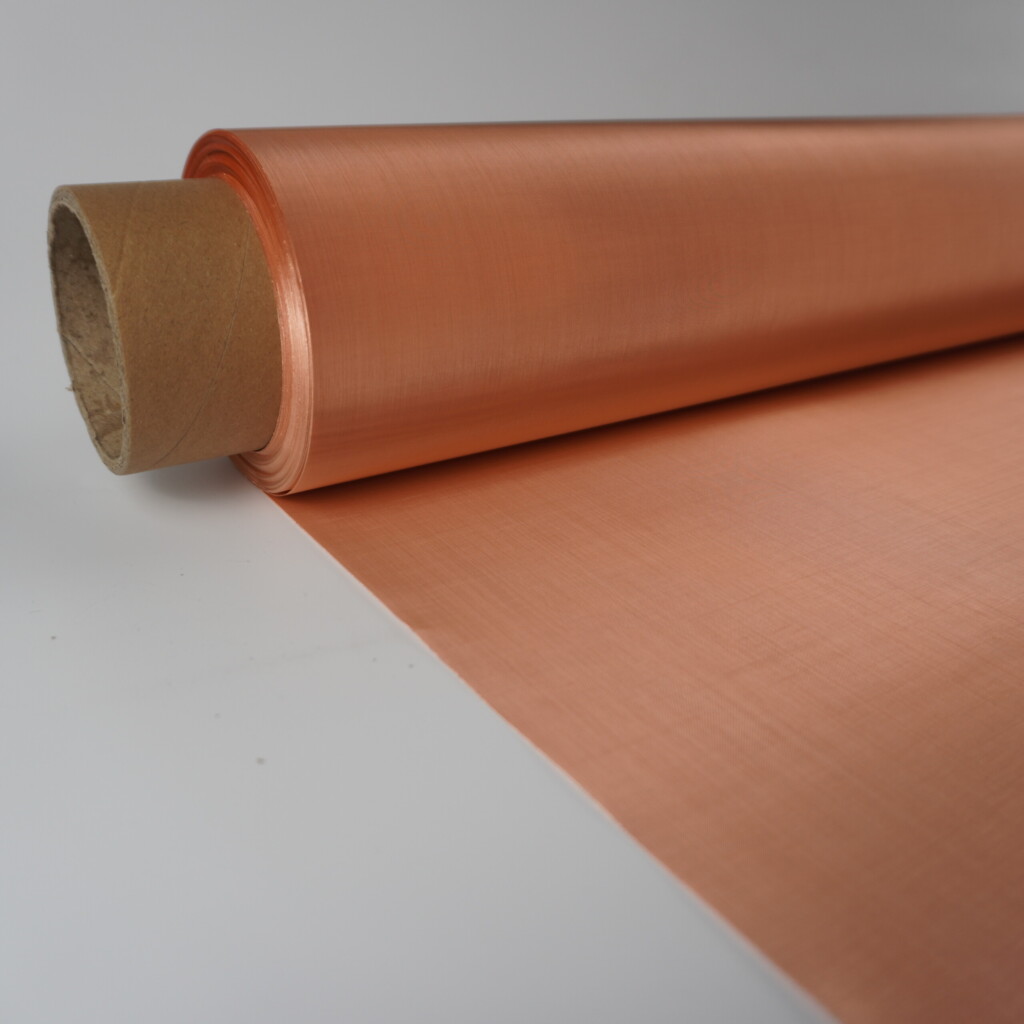
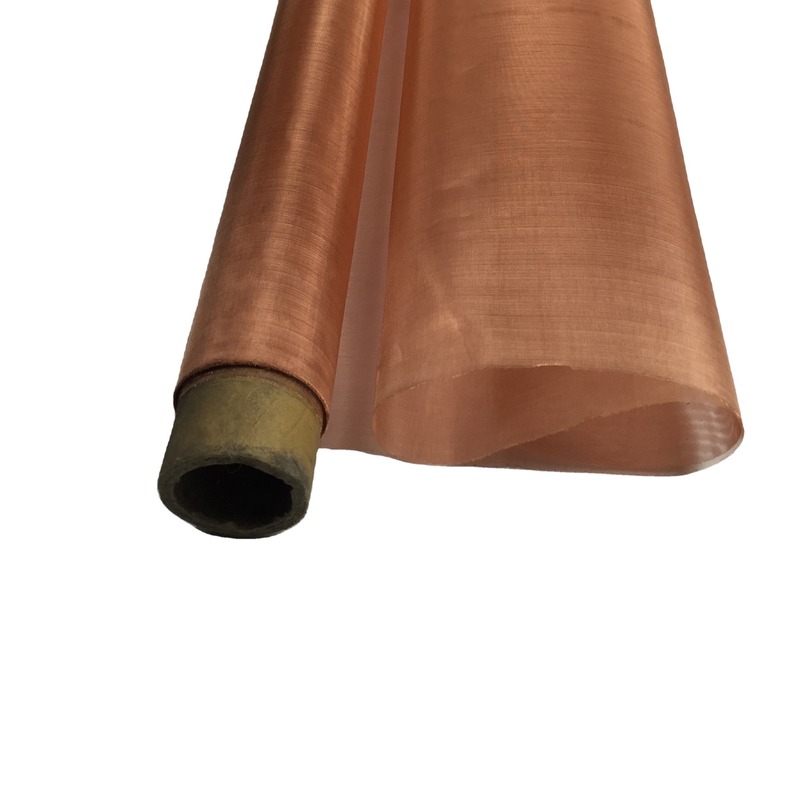
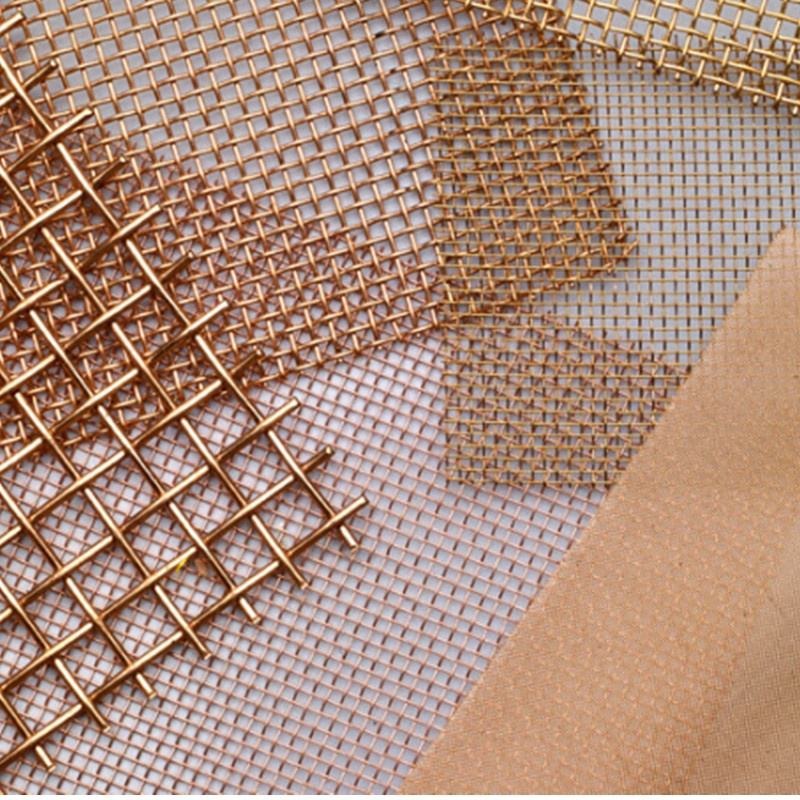
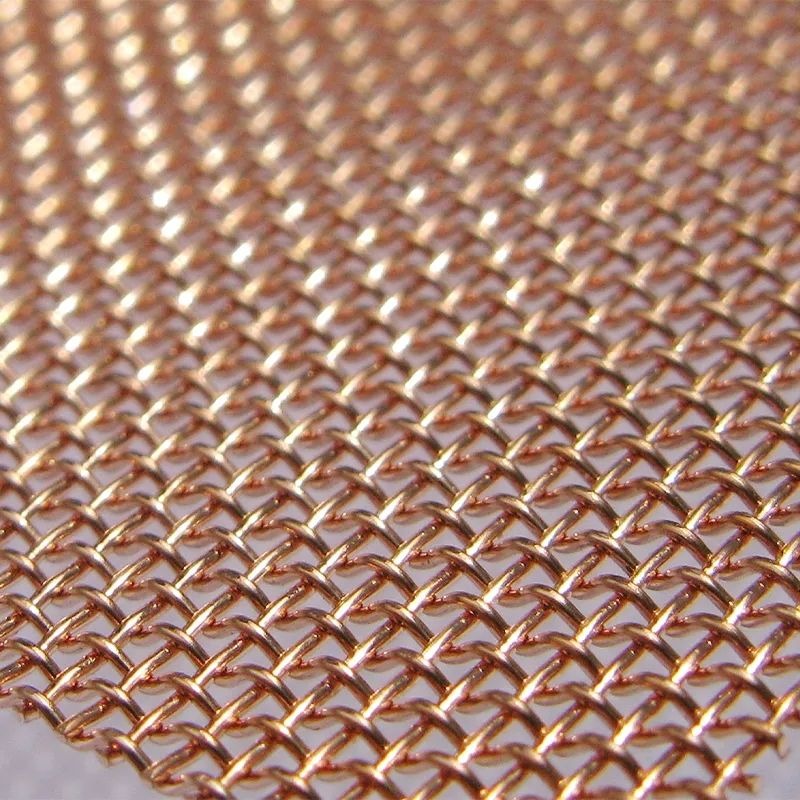
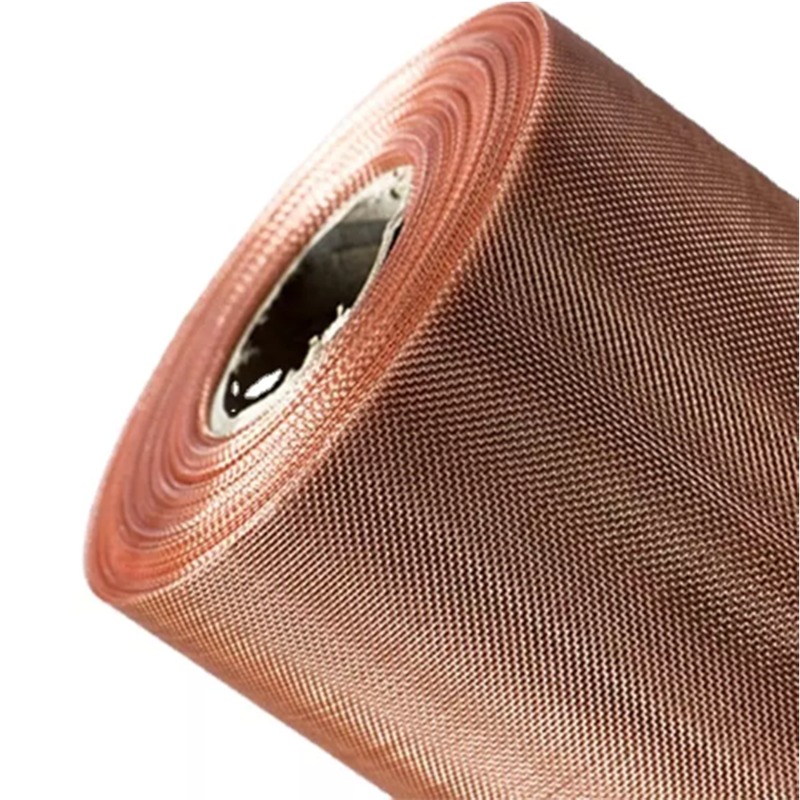
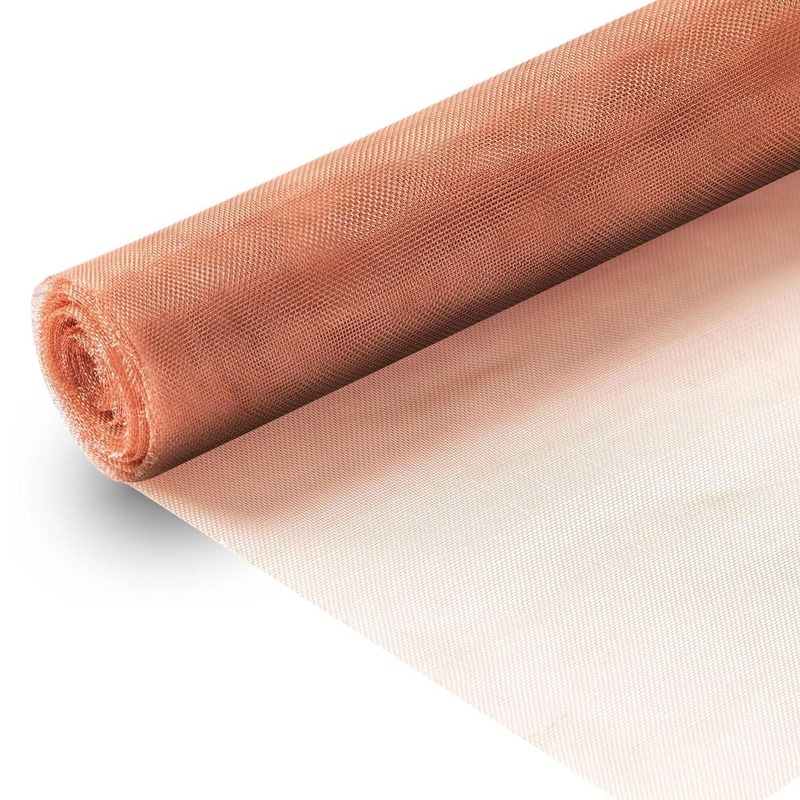
Copper wire mesh (copper alloy wire cloth) is woven from pure copper wire and copper alloy wire on precision wire-weaving looms. Copper is typically used as a pure metal, but it is put into alloys such as brass or phosphor bronze when better hardness is required.
The material types normally supplied are pure copper (red copper) mesh, brass mesh, phosphor bronze mesh and cupro-nickel (white copper) mesh. For woven wire mesh, copper mesh size is specified by confirming mesh count, wire diameter and opening (aperture) size.
Pure copper offers the highest electrical and thermal conductivity within the family and is widely used for filtration, screening and electromagnetic shielding. Brass is a copper-zinc alloy offering greater hardness than pure copper and is used both for filtration and for decorative mesh.
Phosphor bronze is a copper-tin-phosphorus alloy. Phosphor bronze alloy wire features corrosion resistance, high electrical conductivity and high tensile strength. The popular grades are phosphor bronze 92/8 (C52100) and phosphor bronze 95/5 (C51000). Bronze works uniquely well in marine environments because saltwater does not easily destroy it.
Cupro-nickel (white copper) is a copper-nickel alloy whose colour is silver; it is commonly used in the manufacture of electrical appliances, instruments and decorations.
2. Material Types and Designations
| Material type |
Alloy family |
Common designations |
Notes |
| Pure copper (red copper) mesh |
Commercially pure copper |
Copper wire cloth |
Highest electrical and thermal conductivity within the family |
| Brass mesh |
Copper-zinc alloy |
Brass wire mesh |
Better hardness than pure copper; filtration and decorative use |
| Phosphor bronze mesh |
Copper-tin-phosphorus alloy |
Phosphor bronze 92/8 (C52100); phosphor bronze 95/5 (C51000) |
Corrosion resistance with high electrical conductivity and high tensile strength |
| Cupro-nickel mesh |
Copper-nickel alloy |
White copper |
Silver colour; used in electrical appliances, instruments and decorations |
3. Material Composition
- Pure copper (red copper) mesh – woven from commercially pure copper wire
- Brass mesh – woven from copper-zinc alloy wire
- Phosphor bronze mesh – woven from copper-tin-phosphorus alloy wire; popular grades 92/8 (C52100) and 95/5 (C51000)
- Cupro-nickel (white copper) mesh – woven from copper-nickel alloy wire; silver in colour
Exact chemical composition limits and tolerances for the selected alloy grade are confirmed on the order confirmation and stated on the mill certificate.
4. Mesh Count and Wire Diameter (typical)
| Material |
Typical mesh count (mesh / inch) |
Notes |
| Brass wire mesh |
6 – 200 |
Filtration and decorative grades |
| Copper wire cloth (pure copper) |
10 – 60 |
Pure copper grades |
| Phosphor bronze wire cloth |
120 – 360 |
Fine filtration grades |
Available wire diameter range for copper alloy wire cloth: 0.051 mm to 0.711 mm. Copper mesh size is specified by confirming mesh count, wire diameter and opening (aperture) size.
5. Key Characteristics
- Pure copper offers the highest electrical and thermal conductivity within the copper mesh family
- Alloying copper with zinc (brass) or with tin and phosphorus (phosphor bronze) increases hardness where required
- Phosphor bronze alloy wire features corrosion resistance, high electrical conductivity and high tensile strength
- Bronze performs uniquely well in marine environments because saltwater does not easily destroy it
- Cupro-nickel (white copper) has a silver colour and is used in electrical appliances, instruments and decorations
- Suitable for electromagnetic shielding, EMF/RFI shielding and Faraday cage applications
- Available in plain weave and twill weave, in rolls, sheets, discs and fabricated filter elements
6. Wire Mesh Specifications
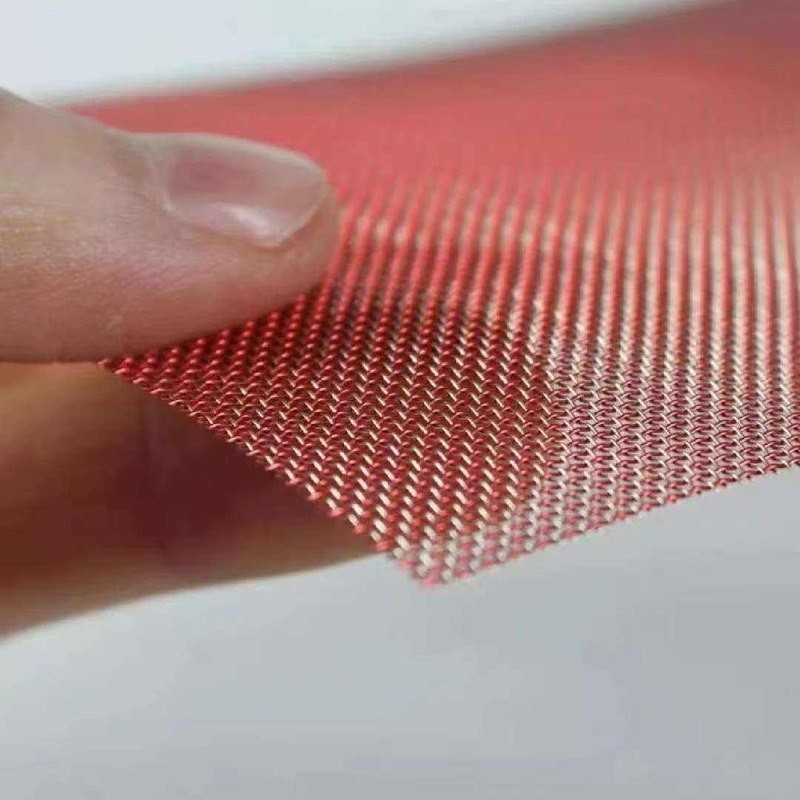
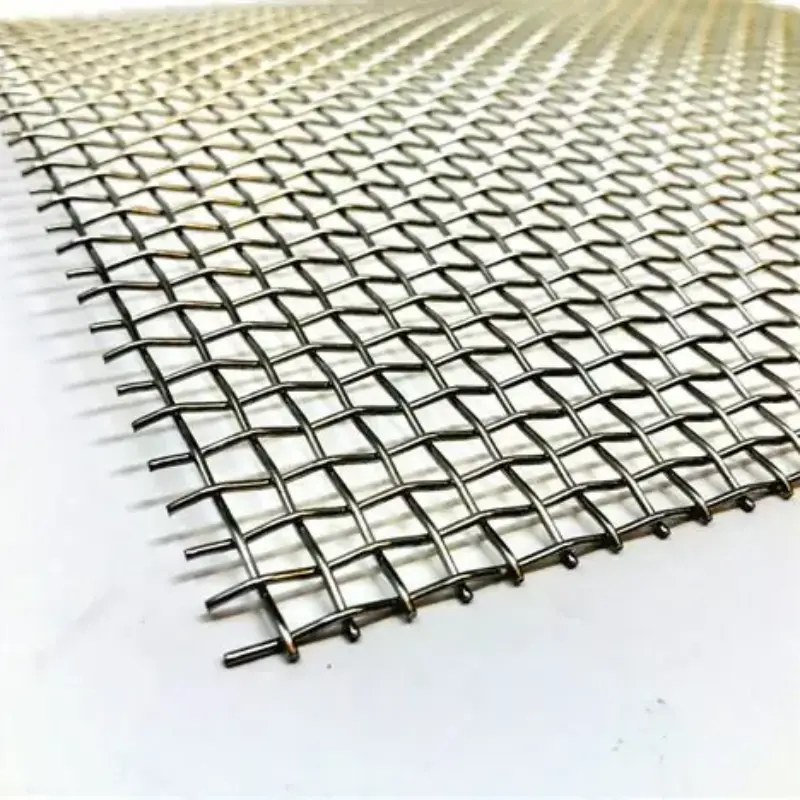
Copper and copper alloy wire cloth is woven in plain weave or twill weave; Dutch weave is also available. Woven wire cloth is specified by four interrelated parameters – mesh count, wire diameter, aperture (opening) size and weave type. Any three of these determine the fourth.
| Parameter |
Definition / typical practice |
| Mesh count |
Number of warp (and weft) wires contained in one linear inch of cloth |
| Wire diameter |
Diameter of the individual warp / weft wires, stated in mm or inch |
| Aperture (opening) |
Clear distance between adjacent wires forming one mesh opening, usually stated in mm or micron |
| Open area |
Percentage of the total cloth area that is open; calculated from mesh count and wire diameter |
| Weave type |
Plain weave, twill weave, plain Dutch weave, twill Dutch weave (reverse Dutch weave also available) |
| Supply forms |
Rolls, sheets, cut discs, and fabricated filter elements (cylinders, baskets, screen packs) |
| Roll width and length |
Confirmed per order against the ordered weave, mesh count and wire diameter |
| Edge type |
Selvedge (woven) edge, cut edge, or reinforced edge |
7. Typical Applications
- Screen and filter for all kinds of particles and powder, porcelain clay, glass and porcelain printing
- Liquid and gas filtration
- Construction and architectural decoration
- Electronic shielding
- Sieving and filtering of granule
- Filter discs
- Craft papermaking
- EMF/RFI shielding and Faraday cage
- Window screen or door screen to prevent insects
- Marine and seawater service (phosphor bronze and cupro-nickel)
- Electrical appliances, instruments and decoration (cupro-nickel / white copper)
8. Ordering Notes
- Please state mesh count, wire diameter, aperture, weave type, roll width and length, quantity and temper when requesting a quotation.
- Where three of the four principal parameters (mesh count, wire diameter, aperture, weave type) are known, the fourth can be calculated and confirmed before order placement.
- Dutch weave specifications are commonly described using mesh count per inch and aperture size in micron.
- All data in this datasheet are typical values given for reference only. Final specification, tolerances and tolerances on aperture are confirmed on the order confirmation.
- Mill test certificates to EN 10204 3.1, third-party inspection and pre-shipment sample approval can be arranged on request.
Supplier
Anping County Bolin Metal Wire Mesh Co., Ltd.
Woven wire mesh, filter cloth and fabricated filter elements.
For quotations, samples and technical support, please contact your account manager.