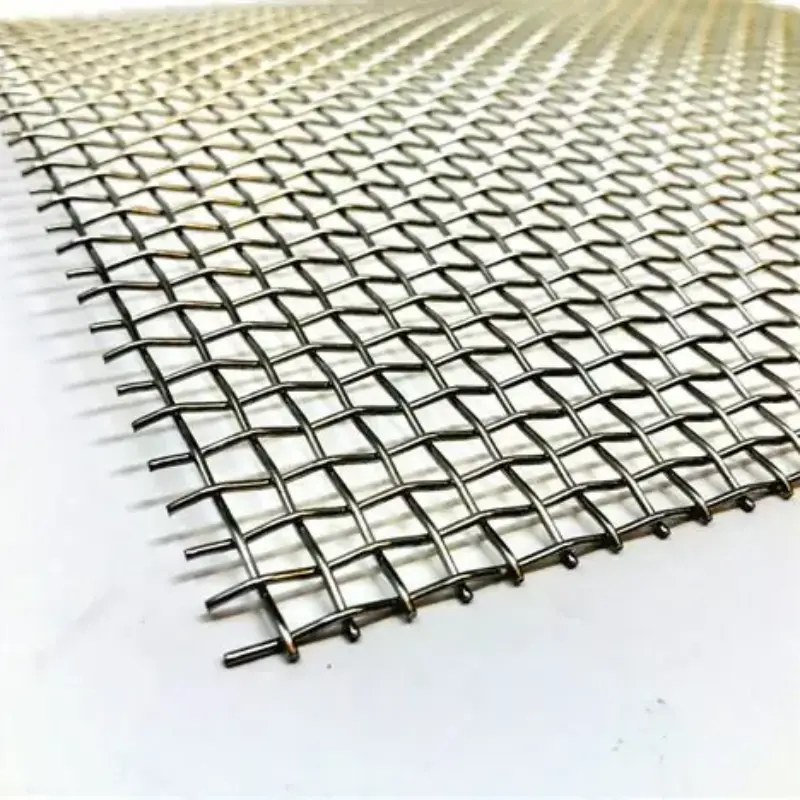
Technical Product Datasheet – Description, Specifications, Composition, Properties and Applications
1. Product Description
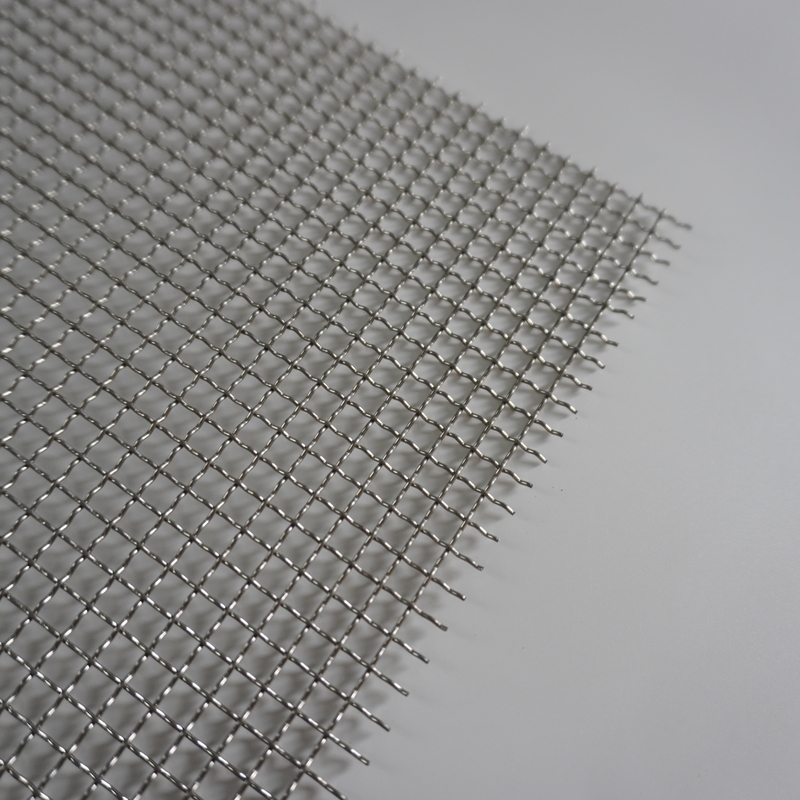
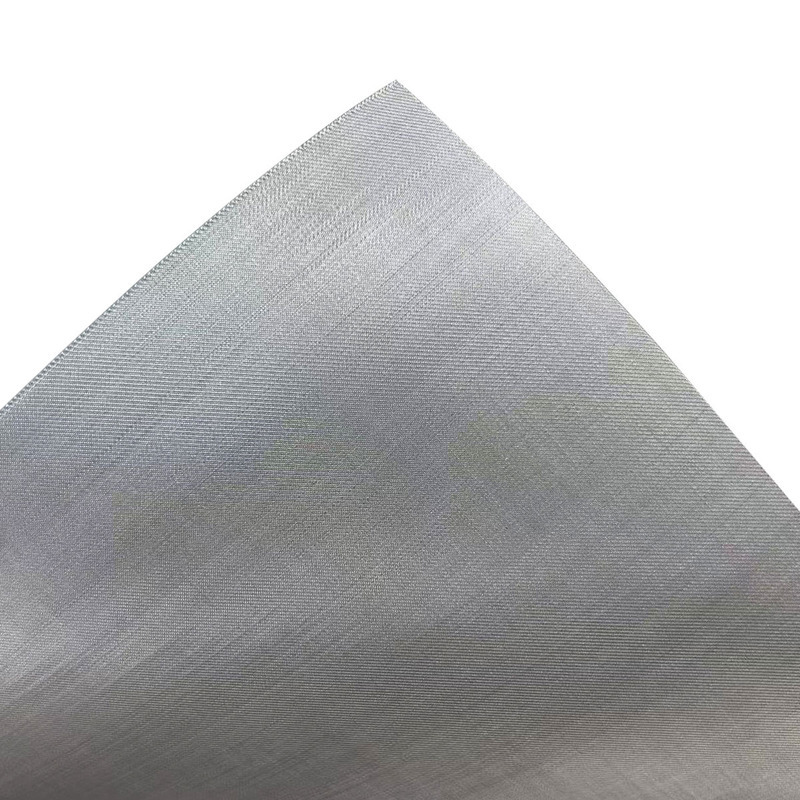
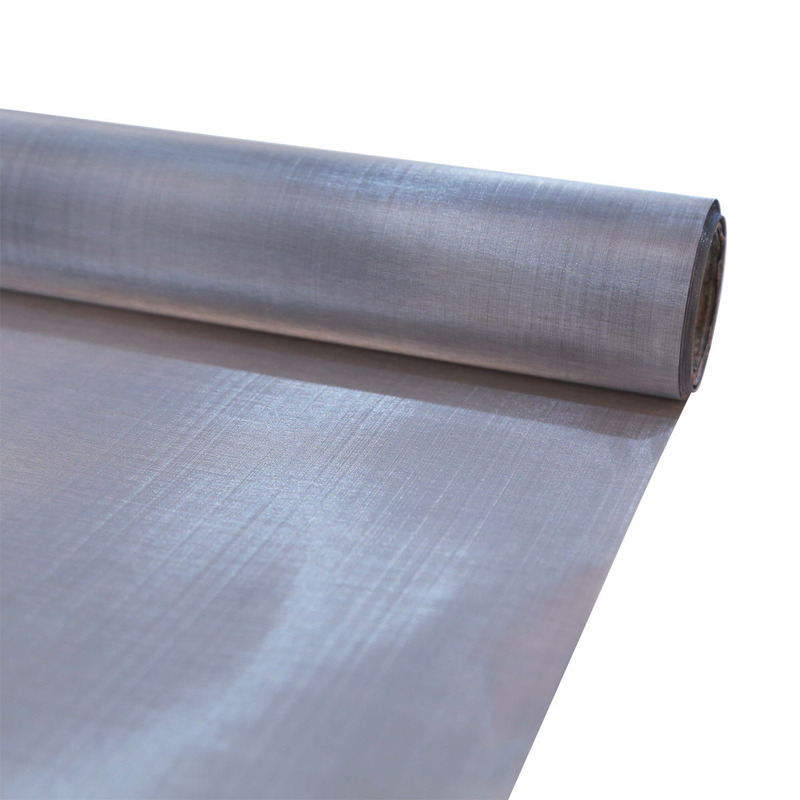
Hastelloy wire mesh is woven from nickel-molybdenum-chromium and nickel-chromium-iron-molybdenum superalloy wire. The family is designed for excellent corrosion resistance across a wide range of severe environments, including strongly reducing and strongly oxidising media, and for high-temperature oxidation resistance.
Hastelloy C-276 is a nickel-molybdenum-chromium superalloy with an addition of tungsten, designed for excellent corrosion resistance in a wide range of severe environments. The high nickel and molybdenum contents make it especially resistant to pitting and crevice corrosion in reducing environments, while chromium conveys resistance to oxidising media. Its low carbon content minimises carbide precipitation during welding, maintaining corrosion resistance in as-welded structures. It is by far the most widely used grade of the family.
Hastelloy C-22 is a versatile austenitic nickel-chromium-molybdenum-tungsten alloy with enhanced resistance to pitting, crevice corrosion and stress corrosion cracking. The high chromium content provides good resistance to oxidising media while the molybdenum and tungsten content give good resistance to reducing media. The alloy resists formation of grain-boundary precipitates in the weld heat-affected zone, making it suitable for most chemical process applications in the as-welded condition.
Hastelloy C-4 is a tungsten-free, low-carbon, low-silicon nickel-chromium-molybdenum alloy with good high-temperature stability. Hastelloy B-3 is a nickel-molybdenum alloy giving excellent resistance to hydrochloric acid at all concentrations and temperatures from ambient to high, and it also withstands sulfuric, acetic, formic and phosphoric acids and other non-oxidising media. Hastelloy X is a nickel-chromium-iron-molybdenum alloy with an exceptional combination of oxidation resistance, ease of fabrication and high-temperature strength.
2. Grades and Designations
| Grade |
UNS Number |
W.Nr. |
Principal characteristic |
| Hastelloy C-276 |
N10276 |
2.4819 |
Most versatile grade; reducing plus oxidising media; wet chlorine service |
| Hastelloy C-22 |
N06022 |
2.4602 |
Enhanced pitting, crevice and stress corrosion cracking resistance |
| Hastelloy C-4 |
N06455 |
2.4610 |
Tungsten-free, low carbon and silicon; good high-temperature stability |
| Hastelloy B-3 |
N10675 |
2.4600 |
Excellent resistance to hydrochloric acid at all concentrations |
| Hastelloy X |
N06002 |
2.4665 |
Oxidation resistance and high-temperature strength |
3. Chemical Composition (wt %)
| Grade |
Ni |
Cr |
Mo |
Fe |
W |
Co max |
C max |
| Hastelloy C-276 |
Remainder |
14.5–16.5 |
15.0–17.0 |
4.0–7.0 |
3.0–4.5 |
2.5 |
0.01 |
| Hastelloy C-22 |
Balance |
20.0–22.5 |
12.5–14.5 |
2.0–6.0 |
2.5–3.5 |
2.5 |
0.010 |
| Hastelloy C-4 |
Balance |
14.0–18.0 |
14.0–17.0 |
3.0 max |
– |
2.0 |
0.015 |
| Hastelloy B-3 |
65.00 min (Ni+Mo 94.00–98.00) |
1.00–3.00 |
27.00–32.00 |
1.00–3.00 |
3.00 max |
3.00 |
0.01 |
| Hastelloy X |
Balance |
20.50–23.00 |
8.00–10.00 |
17.00–20.00 |
0.20–1.00 |
0.50–2.50 |
0.05–0.15 |
Other controlled elements – Hastelloy C-276: Mn 1.0 max, V 0.35 max, P 0.04 max, S 0.03 max, Si 0.08 max. Hastelloy C-22: Mn 0.50 max, V 0.35 max, P 0.02 max, S 0.02 max, Si 0.08 max. Hastelloy C-4: Mn 1.0 max, Ti 0.7 max, Si 0.08 max, P 0.040 max, S 0.030 max. Hastelloy B-3: Si 0.10 max, Mn 3.00 max, V 0.20 max, P 0.03 max, S 0.01 max, Ti 0.20 max, Cu 0.20 max, Al 0.50 max, Zr 0.10 max, Nb 0.20 max, Ta 0.20 max. Hastelloy X: Si 1.00 max, Mn 1.00 max, P 0.04 max, S 0.03 max, B 0.01 max.
4. Typical Tensile Properties (annealed, room temperature)
| Grade / form |
Tensile (ksi) |
0.2% Yield (ksi) |
Elongation (%) |
Hardness |
| Hastelloy C-276, bar |
110.0 |
52.6 |
62 |
– |
| Hastelloy C-276, plate |
107.4 |
50.3 |
67 |
– |
| Hastelloy C-276, sheet |
115.5 |
54.6 |
60 |
– |
| Hastelloy C-276, tube & pipe |
105.4 |
45.4 |
70 |
– |
| Hastelloy C-22, plate (0.25–1.75 in) |
112 |
53 |
62 |
89 HRB |
| Hastelloy C-22, sheet (0.038–0.15 in) |
122 |
63 |
54 |
93 HRB |
| Hastelloy C-22, bar (0.50–5.50 in) |
115 |
55 |
60 |
89 HRB |
5. Physical and Service Data
- Hastelloy C-22 should not be used in service temperatures above 1250 °F (676 °C) due to the formation of detrimental phases above this temperature
- Hastelloy C-22 annealing: 2020–2150 °F followed by rapid quench; forging 1750–2050 °F followed by rapid cooling. Accelerated cooling avoids the formation of detrimental phases which form between 1400 °F and 1800 °F
- Hastelloy B-3 density 9.22 g/cm³ (0.333 lb/in³); melting point 1418 °C (2585 °F); operating range –200 to +400 °C (–330 to +750 °F) depending on load and environment
- Hastelloy B-3 typical tensile strength: annealed <1200 N/mm² (<174 ksi); spring temper 1600–2000 N/mm² (232–290 ksi)
- Hastelloy X density 8.22 g/cm³ (0.297 lb/in³); melting point 1355 °C (2470 °F); coefficient of expansion 13.9 μm/m °C (20–100 °C); modulus of elasticity 205 kN/mm²
- Hastelloy X typical tensile strength: annealed <1050 N/mm² (<152 ksi); spring temper 1350–1550 N/mm² (196–225 ksi); exceptional strength and oxidation resistance up to 1200 °C (2200 °F)
- Hastelloy X is also known as Inconel HX, Nicrofer 4722 Co and Pyromet 680
6. Corrosion and High-Temperature Performance
- Hastelloy C-276: excellent corrosion resistance in reducing environments; exceptional resistance to strong solutions of oxidising salts such as ferric and cupric chlorides; resistance to localised corrosion such as pitting and stress-corrosion cracking; one of the few materials able to withstand the corrosive effects of wet chlorine gas, hypochlorite and chlorine dioxide
- Hastelloy C-276 resists formation of grain boundary precipitates in the weld heat affected zone, making it useful for most chemical processes in the as-welded condition
- Hastelloy C-22: outstanding resistance to both reducing and oxidising media; excellent resistance to oxidising aqueous media including wet chlorine and mixtures containing nitric acid or oxidising acids with chlorine ions; resistant to oxidising acid chlorides, formic and acetic acids, ferric and cupric chlorides, seawater and brine
- Hastelloy C-22 offers optimum resistance to environments where reducing and oxidising conditions are encountered in process streams, which is beneficial in multi-purpose plants where such upset conditions occur frequently
- Hastelloy C-4: nickel-chromium-molybdenum alloy with good high-temperature stability; suitable for chemical processing plants and nuclear fuel processing
- Hastelloy B-3: excellent resistance to hydrochloric acid at all concentrations and temperatures from ambient to high; withstands sulfuric, acetic, formic and phosphoric acids and other non-oxidising media; excellent resistance to pitting corrosion and to stress-corrosion cracking; able to withstand fluoride-bearing media and concentrated sulfuric acid. Hastelloy B-3 is not recommended in the presence of ferric or cupric salts
- Hastelloy X: exceptional oxidation resistance and exceptionally resistant to stress corrosion cracking in petrochemical applications; exceptional forming and welding characteristics
- Fabrication note – C-276 can be forged, hot-upset and impact extruded; although the alloy tends to work-harden, it can be spun, deep-drawn, press formed or punched. All common welding methods can be used, although oxyacetylene and submerged arc processes are not recommended for corrosion service
7. Wire Mesh Specifications
- Hastelloy C-276 wire cloth is commonly available in Dutch weave specifications such as 24 × 110 mesh, 30 × 150 mesh and 50 × 250 mesh
- The maximum width of nickel-alloy wire mesh is 5 m; special specifications can be customised to customer requirements
- C-276 welding wire is available in diameters from 0.8 mm to 3.2 mm for fabricating welded mesh assemblies
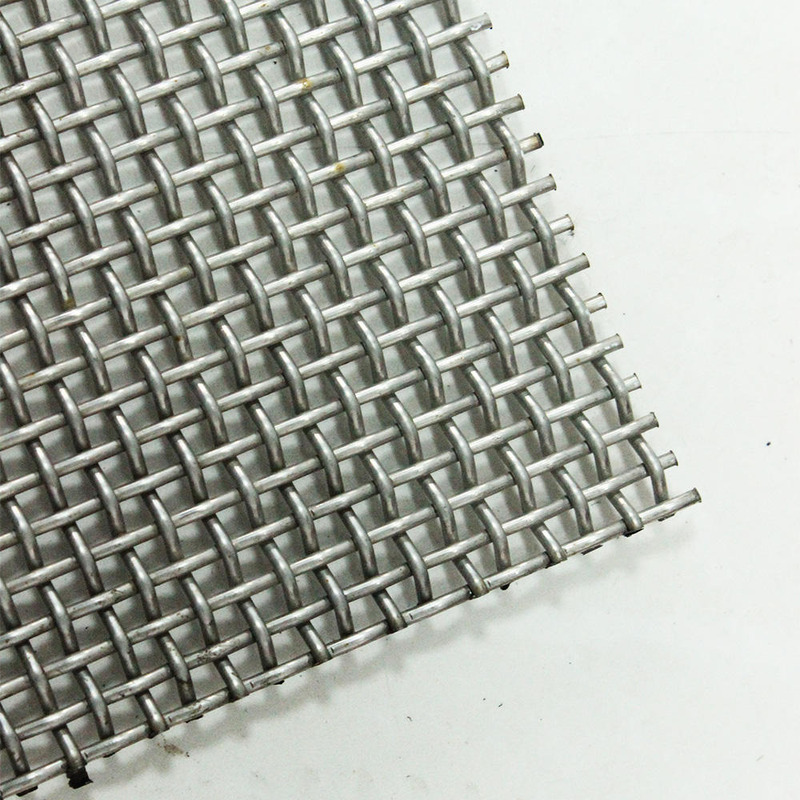
Woven wire cloth is specified by four interrelated parameters – mesh count, wire diameter, aperture (opening) size and weave type. Any three of these determine the fourth. Hastelloy wire mesh screen is produced by weaving two distinct sets of wires (warp and weft) at right angles, with four main weave structures available: plain, twill, plain Dutch and twill Dutch.
| Parameter |
Definition / typical practice |
| Mesh count |
Number of warp (and weft) wires contained in one linear inch of cloth |
| Wire diameter |
Diameter of the individual warp / weft wires, stated in mm or inch |
| Aperture (opening) |
Clear distance between adjacent wires forming one mesh opening, usually stated in mm or micron |
| Open area |
Percentage of the total cloth area that is open; calculated from mesh count and wire diameter |
| Weave type |
Plain weave, twill weave, plain Dutch weave, twill Dutch weave (reverse Dutch weave also available) |
| Supply forms |
Rolls, sheets, cut discs, and fabricated filter elements (cylinders, baskets, screen packs) |
| Roll width and length |
Confirmed per order. Nickel-alloy wire cloth is typically produced in widths up to about 5 m |
| Edge type |
Selvedge (woven) edge, cut edge, or reinforced edge |
8. Typical Applications
- Pollution control: stack liners, ducts, dampers, scrubbers, stack-gas reheaters, fans and fan housings
- Flue gas desulfurisation (FGD) systems and flue gas scrubbers
- Chemical processing components such as heat exchangers, reaction vessels, evaporators and transfer piping
- Sour gas wells
- Pulp and paper production, including bleach plants
- Industrial and municipal waste treatment and waste water processing
- Pharmaceutical and food processing equipment
- Cellophane manufacturing and pesticide production
- Chlorination systems and sulfur dioxide scrubbers
- Pickling systems and nuclear fuel reprocessing
- Gas turbine engines, combustor cans, spray bars and flame holders (Hastelloy X)
- Industrial furnaces and petrochemical industry equipment (Hastelloy X)
9. Applicable Standards
- Hastelloy C-276 and C-22: ASTM B574 (bar), B564 (forging), B575 (sheet and plate), B619 (welded pipe), B622 (seamless pipe and tube), B626 (welded tube)
- Hastelloy C-276 and C-22: ASME SB574, SB564, SB575, SB619, SB626, SB622
- Hastelloy C-276 welding wire: ASME SFA-5.14 ERNiCrMo-4; C-22 welding wire: ERNiCrMo-10 and ENiCrMo-10
- Hastelloy B-3: ASTM B335, ASTM B619
- Hastelloy X: AMS 5754, AMS 5798, ASTM B619; ISO 15156-3 (NACE MR 0175)
10. Ordering Notes
- Please state mesh count, wire diameter, aperture, weave type, roll width and length, quantity and temper when requesting a quotation.
- Where three of the four principal parameters (mesh count, wire diameter, aperture, weave type) are known, the fourth can be calculated and confirmed before order placement.
- Dutch weave specifications are commonly described using mesh count per inch and aperture size in micron.
- All data in this datasheet are typical values given for reference only. Final specification, tolerances and tolerances on aperture are confirmed on the order confirmation.
- Mill test certificates to EN 10204 3.1, third-party inspection and pre-shipment sample approval can be arranged on request.
Supplier
Anping County Bolin Metal Wire Mesh Co., Ltd.
Woven wire mesh, filter cloth and fabricated filter elements.
For quotations, samples and technical support, please contact your account manager.